
 English
 中文简体







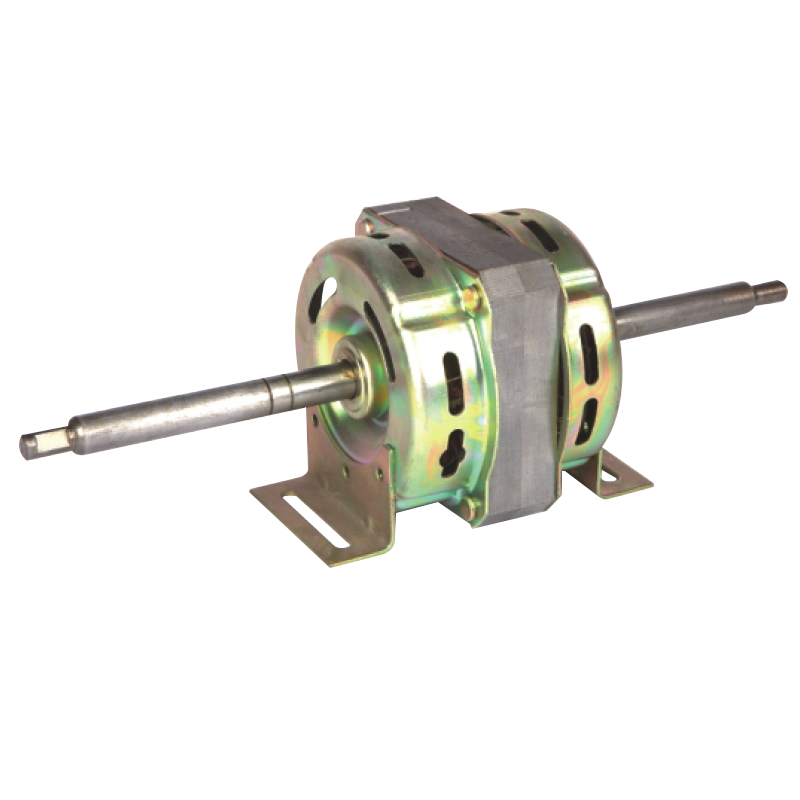
Anhui Juhong Electrical Technology Co., Ltd. covers an area of 12,000 square meters, with fixed assets of 50 million RMB and over 150 employees, including more than 20 technical personnel and 2 professional engineers. We are professional Massage Chair Motor Manufacturer and Custom Massage Chair Motor factory in China.
Juhong Motor is equipped with comprehensive production facilities, featuring advanced domestic industry-leading equipment such as multiple closed double-point high-speed precision presses, automatic winding insertion machines, electronic aluminum casting machines, and other production equipment under advanced production conditions. The annual production capacity reaches 4 million household motors and 500,000 other types of motors.
In addition, the company scientifically implements TQM and 6S on-site management models. It is one of the first electromechanical manufacturing enterprises in the industry to achieve ISO9001, ISO14001, and OHS18001 certifications, while also obtaining mandatory certifications such as CCC, UL, CE, and TUV. The company holds 9 utility model patents and 2 invention patents. Over the years, the "Juhong Brand" series of motors have achieved a 100% pass rate in spot checks conducted by national, provincial, and municipal quality inspection centers, with technical performance reaching industry-leading levels, earning widespread customer acclaim and praise.
Anhui Juhong Electrical Technology Co., Ltd. possesses strong technical capabilities, sophisticated equipment, advanced manufacturing processes, and comprehensive testing methods. The company applies new technologies and new processes to develop new projects. To meet the demands of both domestic and international markets, all employees will continue to uphold the corporate spirit of "excellence in craftsmanship" and "quality-driven success," striving to provide society with "first-class products, first-class quality, and first-class service." We sincerely welcome domestic and international customers, as well as partners from all sectors, to engage in sincere cooperation for mutual development!
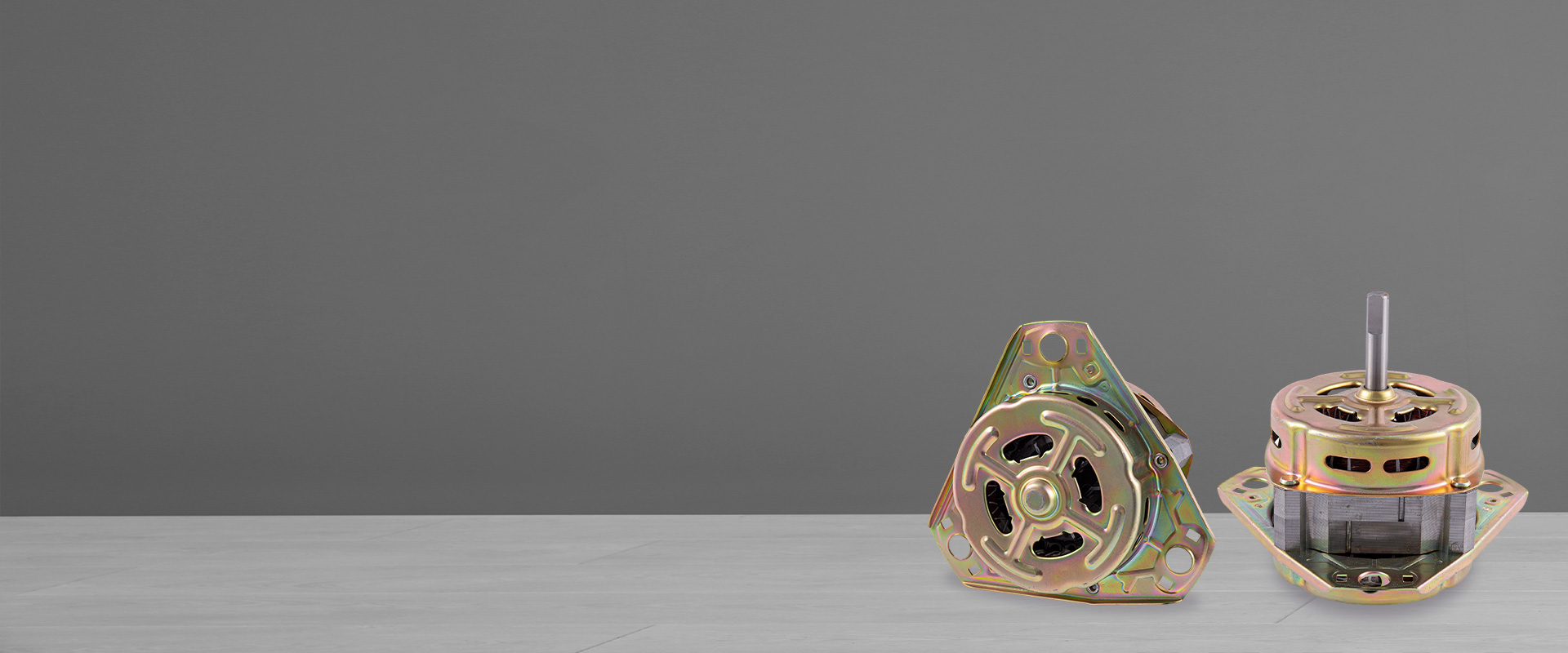
Massage Chair Motor Manufacturer
Massage chair motors are a crucial component of a massage chair's core powertrain, directly impacting its performance, comfort, and lifespan. These motors are typically efficient, low-noise, stable, and durable. They precisely control various massage chair movements, including rolling, kneading, tapping, massaging, and lift adjustment, enabling intelligent adjustment of multiple massage modes and intensity.
Massage chair motors are widely used in homes, offices, rehabilitation centers, and senior care settings. When combined with intelligent control systems, they provide a personalized massage experience tailored to the individual needs of each user. Furthermore, these motors are designed for energy efficiency and durability, utilizing high-quality materials and advanced manufacturing processes to ensure smooth operation and precise control even after extended use.
Massage chair motors can be categorized into different types based on functional requirements, each optimized for specific massage movements. These motors enhance the operational flexibility of massage chairs, providing users with a more comfortable, safe, and intelligent massage experience.
Anhui Juhong Electrical Technology Co., Ltd. manufactures massage chair motors at our Langxi Economic Development Zone plant in Xuancheng, Anhui, China. The site covers 12,000 m² with more than 150 employees, a technical team of over 20 engineers and two senior engineers, producing 4.5 million motors a year across household appliance and specialty drives. Massage chair motors sit inside our Other Motor family, where compact frames, steady speed and low acoustic output matter more than nameplate power.
A massage chair motor works under upholstery, centimetres from the user's back, shoulders and legs, and it runs for a whole session rather than in short bursts. That sets our design priorities: consistent vibration frequency under changing body load, low noise and vibration transmission, controlled heat build-up, and an interface that drops into the chair frame without rework.
Our Massage Chair Motor Range
Our supply in this category centres on the DC vibration massage chair motor, a permanent-magnet drive that generates the rhythmic oscillating force behind vibration and pulse programs. We build it on the same in-house stamping, winding and assembly platform as the rest of the Juhong range, so the frame, shaft, eccentric mass and lead configuration can be adapted to a specific seat, backrest or leg module without changing the production concept.
- Balanced rotor and selected bearing grade for low acoustic output at chair level
- Stable speed under changing body load, so vibration frequency stays constant through the session
- Winding and insulation sized for continuous use and repeated start-stop programs
- Shaft, bracket and lead options for direct fit into existing chair mechanisms
- Sample motors released with measured speed, current and noise data before a production run
A chair platform also drives kneading, rolling, tapping and lift or recline adjustment through geared, higher-torque motors. Those duties are reviewed against our wider Other Motor range, so a complete platform can be equipped without pushing a vibration frame into a duty it was not designed for. As a Massage Chair Motor manufacturer, we keep the drive, the mounting envelope and the running profile in one engineering file from the first sample onward.
Application Fit Across Massage Chair Programs
These drives are used in residential massage chairs, office and shared-use seating, rehabilitation centres and senior care settings, where operation is frequent and the motor runs close to the user. Combined with an intelligent control system, the motor supports multi-mode programs and adjustable intensity, from gentle pulse to sustained vibration.
- Residential chairs: quiet running is the dominant requirement, because the drive operates in the same room as the user.
- Office and shared-use chairs: longer daily hours and repeated starts, so thermal margin and brush or bearing life set the service expectation.
- Rehabilitation and senior care: smooth start-up ramps and predictable speed, with no sudden vibration spike at switch-on.
- Service and spares channel: replacement motors must match the installed shaft, bracket and connector rather than a generic frame size.
Critical Specifications We Confirm Before Production
Values are not picked from a catalogue list. Each is fixed against the chair mechanism, the controller output and the duty profile, then written onto the approval drawing.
| Parameter | What it governs in the chair | How we fix the value |
|---|---|---|
| Rated voltage and supply | Vibration strength, current draw and driver sizing | Taken from the chair's driver output and confirmed on the motor drawing |
| Speed and vibration frequency | Pulse rate the user feels and the usable mode range | Set by winding, magnet and applied voltage; verified on a running sample |
| Eccentric mass and amplitude | Strength of the vibration stroke at the upholstery surface | Balanced against rotor speed to reach the target without overloading bearings |
| Starting and rated torque | Recovery from stall load and smooth start-up | Sized from the driven mass and the start ramp the controller allows |
| Gear reduction ratio | Output speed and output torque for movement functions | Reviewed against frame envelope and duty before a gear stage is fixed |
| Acoustic target | Perceived quality in quiet rooms and shared-use settings | Controlled by bearing grade, rotor balance and end-shield fit, then measured on test |
| Duty cycle and running time | Thermal margin across a complete session | Insulation class, wire gauge and thermal protection chosen to the running profile |
| Insulation system | Dielectric strength and reliability after heat cycling | Class confirmed for the application; dielectric and insulation-resistance tests at final inspection |
| Shaft, bracket and mounting | Drop-in fit, alignment and rattle-free operation | Shaft profile, length and fixing centres machined to the customer drawing |
| Lead, connector and protection | Harness routing, service access and exposure to humidity | Terminated to the chair harness; sealing level agreed where moisture or cleaning fluids are present |
Configuration Options and Mechanical Interface
Customisation is handled through defined option groups rather than open-ended redesign, which keeps tooling stable and lead times predictable once a sample is approved.
- Shaft: diameter, extension, D-cut or flat, keyway where the driven part requires it
- Mounting: end-shield bosses, brackets, fixing centres and connector orientation
- Electrical: voltage, speed, eccentric mass, winding specification and lead length
- Acoustic: bearing grade and balance class for chairs used in quiet environments
- Termination: flying leads, plug connectors or terminal pins matched to the chair harness
- Packaging: bulk cartons or kitted sets sequenced to the assembly line
Drive Electronics and Automation Integration
The motor and the chair controller behave as one system, so we configure the winding and interface around the drive that will actually run it. Electrical characterisation data is issued with each sample so the control software can be tuned without trial-and-error on the production line.
- Measured resistance, inductance, no-load current and speed-torque points for controller matching
- Speed control by applied voltage or PWM, with soft-start ramps where the chair program calls for them
- Speed or position feedback on configurations that require closed-loop operation
- Suppression and filtering to keep conducted noise inside the chair's EMC budget
- Batch traceability from winding lot to final test record for warranty and service reference
Thermal Behaviour, Noise and Duty Cycle
Inside upholstery there is little moving air, so heat leaves the motor mainly through the frame and mounting points. We size the winding and insulation against the real running profile rather than an open-air assumption, and define the duty cycle together with the chair's program logic.
- Continuous and intermittent ratings stated separately, with permissible starts per hour
- Thermal protection selected so a stalled or overloaded motor cannot damage the upholstery or mechanism
- Noise addressed at source through bearing grade, rotor balance and end-shield concentricity
- Mounting and isolation reviewed with the chair maker so vibration reaches the user, not the frame
Quality Control, Testing and Acceptance
Our quality system covers product development, material procurement, production control, shipment inspection and after-sales service under ISO9001, ISO14001 and OHSAS18001, with CCC, UL, CE and TUV compliance and eleven patents held across the company. Production equipment includes closed double-point high-speed precision presses, automatic winding insertion machines and electronic aluminium casting machines, managed under TQM and 6S practice.
- Incoming inspection of laminations, magnet wire, magnets, bearings and shaft material
- In-process checks on winding resistance, insertion, rotor balance and end-shield assembly
- Final tests covering no-load current, speed, acoustic level, dielectric strength and insulation resistance
- Run-in on sampled units to confirm thermal and acoustic behaviour before shipment
- Batch inspection records issued with the shipment for the customer's own acceptance audit
Documentation, Packaging and Spares
Approved drawings, specification sheets and test records accompany each order, and installation guidance is provided for the chair assembly station. Motors are packed for export handling, in bulk cartons or line-sequenced kits as agreed. Replacement units and worn components are supported through our Motor Spare Parts range so chairs already in service can be kept running with matching parts.
Information We Use to Configure Your Solution
A complete configuration and quotation is prepared from the following project inputs. Where a value is still open, we propose a reasonable starting point and confirm it during sampling.
- Chair function the motor drives, and its position in the seat, backrest or leg module
- Available mounting envelope, fixing centres and shaft interface drawing
- Controller output: voltage range, control method and available current
- Required speed or vibration frequency and the intensity range across modes
- Running profile: session length, rest intervals and starts per hour
- Acoustic target and the environment the chair will be used in
- Harness details: lead length, connector type and routing constraints
- Compliance market and any certification evidence required for the finished appliance
- Target quantities, sample timing and expected annual volume
Massage Chair Motor FAQs
Which massage chair motors does Juhong manufacture?
Our supply in this category is built around the DC vibration massage chair motor for seat, backrest and leg modules. Requirements for geared movement functions such as kneading, tapping or lift adjustment are reviewed against our wider Other Motor range before a frame is proposed.
Can the motor be matched to our existing chair mechanism and controller?
Yes. Send the shaft and bracket drawing, the controller output and the running profile. We match the winding, eccentric mass, shaft profile, lead length and connector to that data and return a sample with measured speed, current and noise results for your own bench testing.
How do you keep noise and vibration under control?
Noise is managed at the source rather than masked: bearing grade, rotor balance, shaft concentricity and end-shield fit are all specified and checked. Vibration amplitude is set by the eccentric mass and rotor speed, then verified on test so the output is repeatable from unit to unit.
Which quality systems and certifications apply?
Our operations run under ISO9001, ISO14001 and OHSAS18001 quality, environmental and occupational health systems, with CCC, UL, CE and TUV conformity for the relevant product families. Juhong holds nine utility model patents and two invention patents, and our motor series has maintained a 100% pass rate in national, provincial and municipal quality spot checks.
What do you need from us to prepare a quotation?
The driven function, mounting envelope, controller output, speed or frequency target, duty profile, harness details, compliance market and expected volume are enough to build a configuration. Missing values are proposed by our engineering team and locked in during sampling.
Do you supply replacement motors for chairs already in service?
We do. Replacement units can be produced to the original shaft, bracket and connector configuration, and related components are available through our Motor Spare Parts range so installed chairs remain serviceable.
No.6 Wuyashan Road, Langxi Economic Development Zone, Xuancheng City, Anhui, China
+86-563-7370081
