
 English
 中文简体
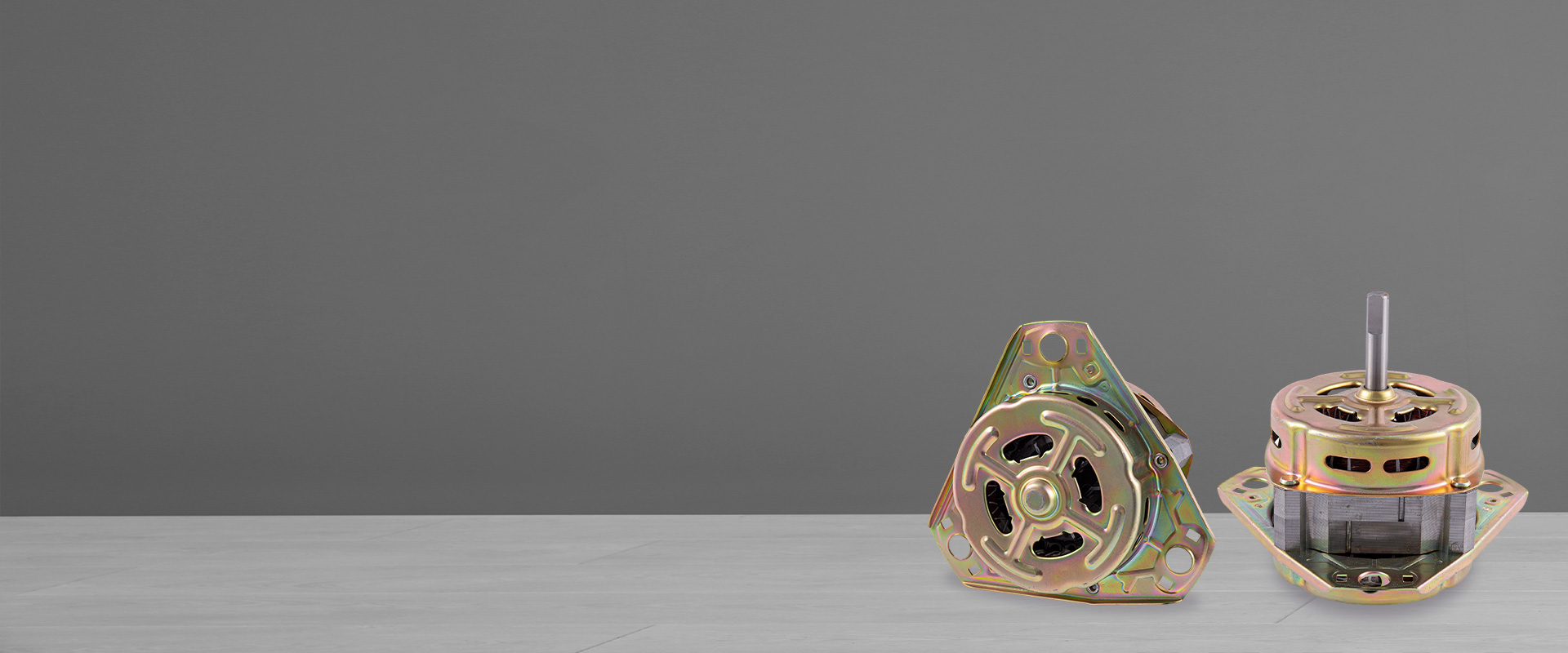







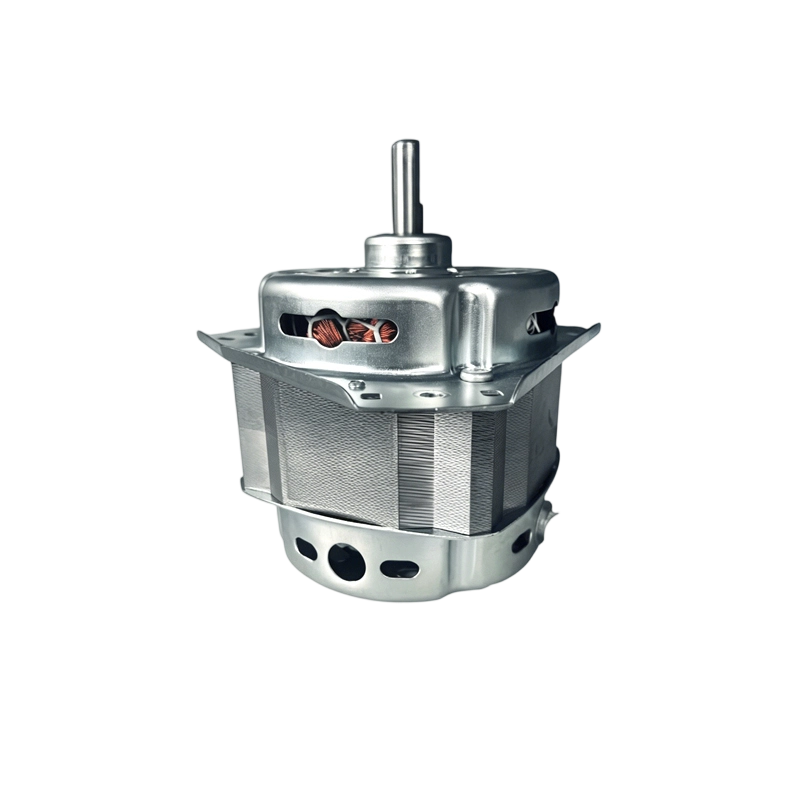
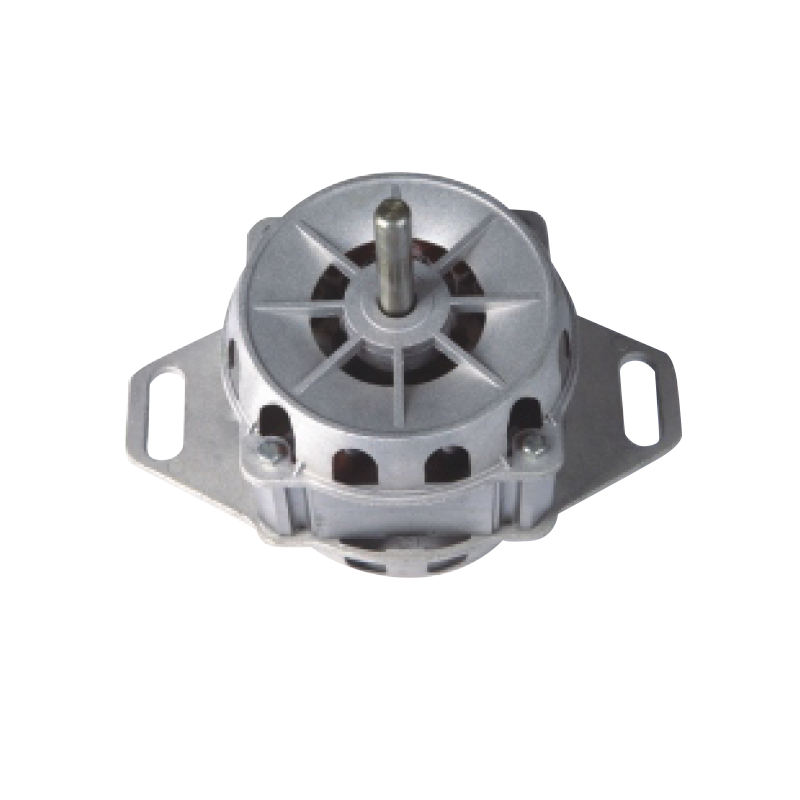
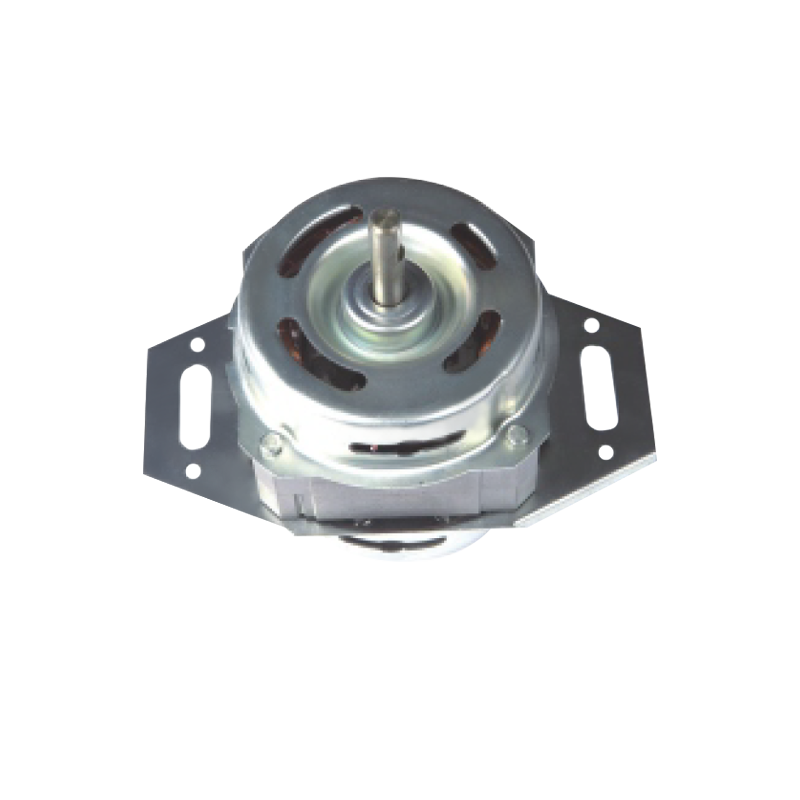
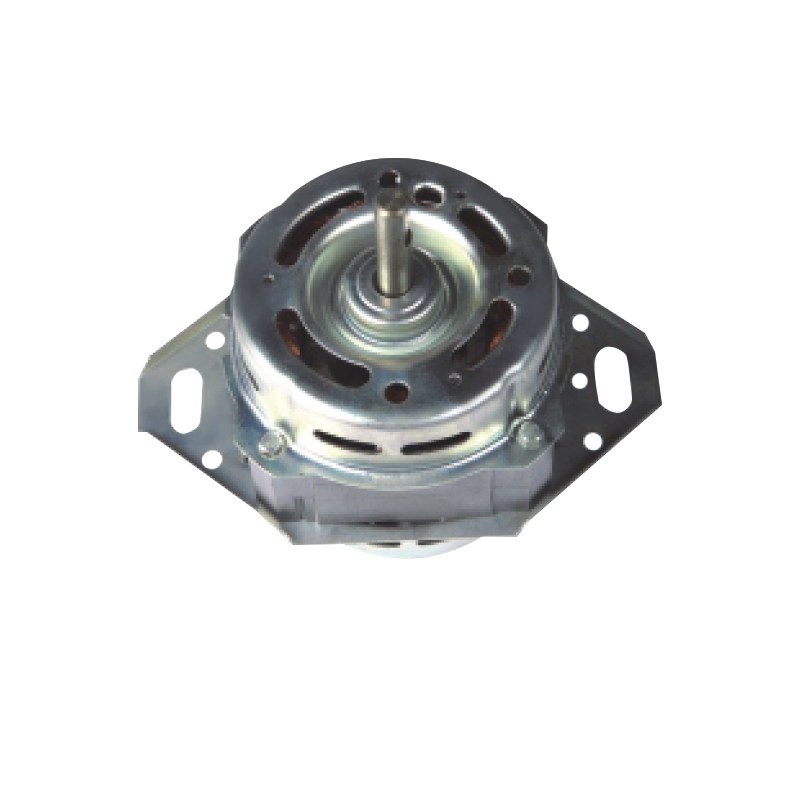
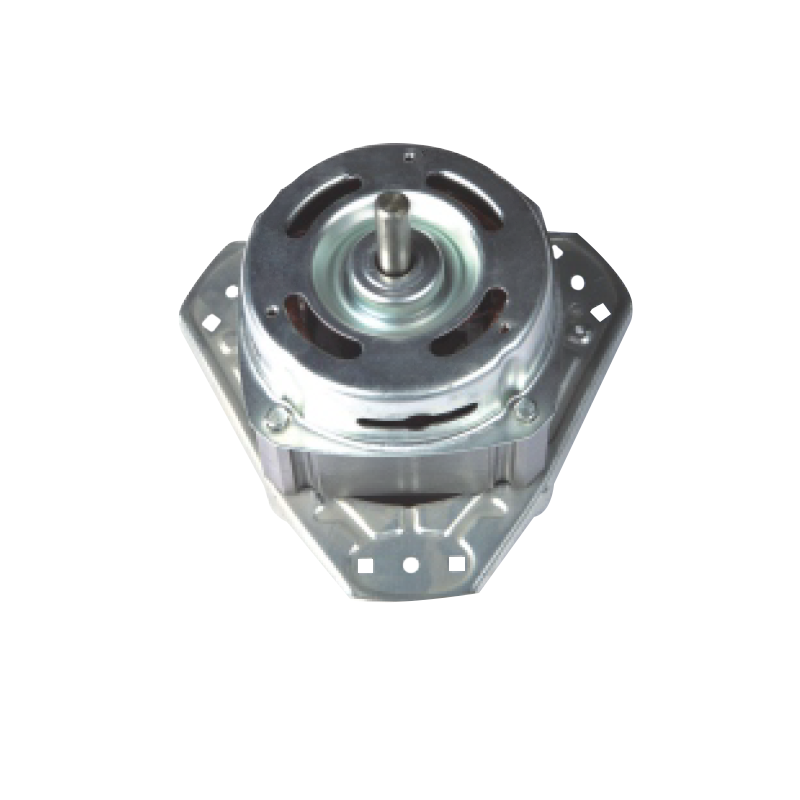
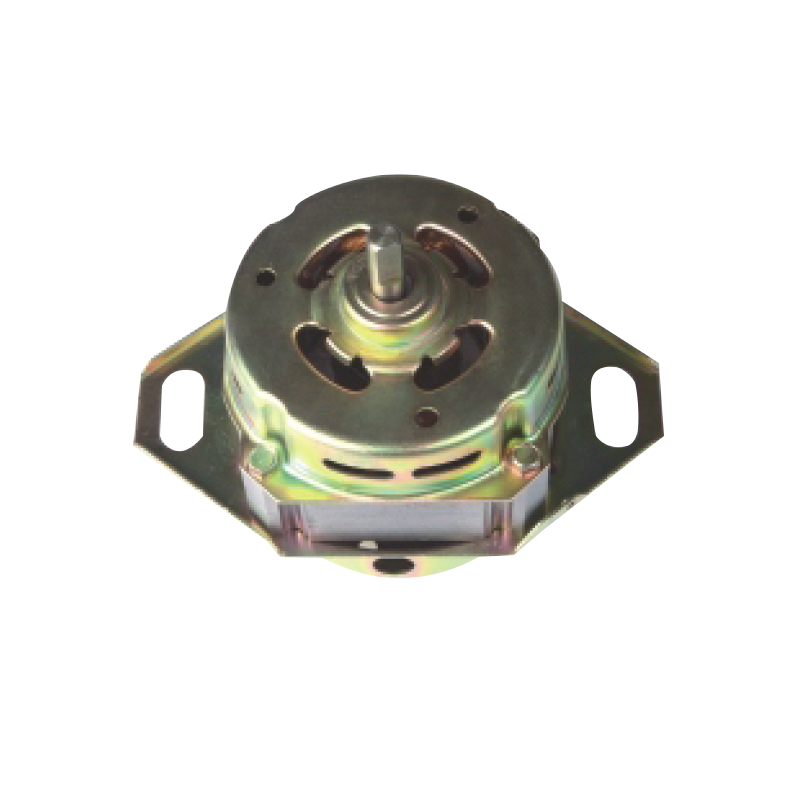
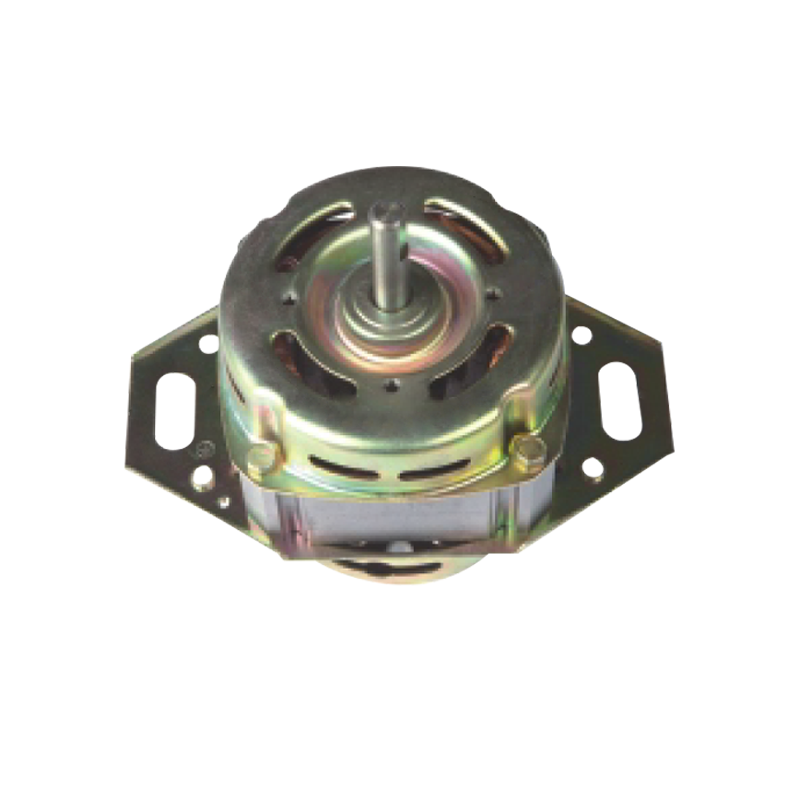
Anhui Juhong Electrical Technology Co., Ltd. covers an area of 12,000 square meters, with fixed assets of 50 million RMB and over 150 employees, including more than 20 technical personnel and 2 professional engineers. We are professional Automatic Wash Machine Motor Manufacturer and Custom Automatic Wash Machine Motor factory in China.
Juhong Motor is equipped with comprehensive production facilities, featuring advanced domestic industry-leading equipment such as multiple closed double-point high-speed precision presses, automatic winding insertion machines, electronic aluminum casting machines, and other production equipment under advanced production conditions. The annual production capacity reaches 4 million household motors and 500,000 other types of motors.
In addition, the company scientifically implements TQM and 6S on-site management models. It is one of the first electromechanical manufacturing enterprises in the industry to achieve ISO9001, ISO14001, and OHS18001 certifications, while also obtaining mandatory certifications such as CCC, UL, CE, and TUV. The company holds 9 utility model patents and 2 invention patents. Over the years, the "Juhong Brand" series of motors have achieved a 100% pass rate in spot checks conducted by national, provincial, and municipal quality inspection centers, with technical performance reaching industry-leading levels, earning widespread customer acclaim and praise.
Anhui Juhong Electrical Technology Co., Ltd. possesses strong technical capabilities, sophisticated equipment, advanced manufacturing processes, and comprehensive testing methods. The company applies new technologies and new processes to develop new projects. To meet the demands of both domestic and international markets, all employees will continue to uphold the corporate spirit of "excellence in craftsmanship" and "quality-driven success," striving to provide society with "first-class products, first-class quality, and first-class service." We sincerely welcome domestic and international customers, as well as partners from all sectors, to engage in sincere cooperation for mutual development!
Automatic Wash Machine Motor Manufacturer
The drive motor of a fully automatic washing machine is the core power device of modern washing machines, responsible for providing mechanical energy for both washing and spinning processes. This motor usually adopts brushless DC or variable-frequency AC technology, featuring high energy efficiency, low vibration, and low noise operation. Its design emphasizes integration with the washing machine control system, allowing precise adjustment of speed and torque to meet the requirements of different fabric materials and washing programs. The motor has a compact structure and good heat dissipation performance, supports frequent starting and stopping as well as bidirectional rotation, and ensures the uniformity of washing actions and the efficiency of the spinning process.
Anhui Juhong Electrical Technology Co., Ltd. is an Automatic Wash Machine Motor manufacturer based in the Langxi Economic Development Zone, Xuancheng City, Anhui. We produce the drive motors that carry both agitation and spin duty in fully automatic washers: units that reverse at low speed through the wash phase, accelerate the basket for extraction and tolerate the unbalanced-load behaviour of a loaded cabinet. Our production base covers 12,000 m² with an annual capacity of 4.5 million units, split between household appliance motors and other motor types.
Automatic Wash Machine Motor Range We Build
The range follows the power steps most automatic washer platforms specify, from a service-replacement spare through to a 180 W aluminium-winding drive. Each model is configured around the driven assembly rather than a nameplate wattage alone, because drum geometry, transmission ratio and wash program change the torque the motor actually has to deliver.
| Model | Rated power | Drive character | Typical fit |
|---|---|---|---|
| 50W Automatic Washing Machine Spare Motor | 50 W | Compact replacement drive | Spare and service supply for automatic washer assemblies |
| 80W Automatic Top Load Washer Motor | 80 W | Bidirectional pulsator drive | Automatic top-loading washers |
| 90W Inverter Washing Machine Motor | 90 W | Variable-frequency speed control | Programmable wash profiles, controlled acceleration |
| 100W Universal Washing Machine Motor | 100 W | Wide-application drive | Platform variants sharing one motor envelope |
| 120W Direct Drive Washing Machine Motor | 120 W | Torque delivered at drum speed | Direct-drive drum and top-load architectures |
| 135W Fully Automatic Washing Machine Motor | 135 W | Higher wash and spin torque | Larger tubs, heavier textile loads |
| 180W Fully Automatic Top Loading AL Winding Motor | 180 W | Aluminium winding build | Cost-positioned automatic top-load platforms |
Matching the Drive to the Washer Architecture
A twin-tub machine divides its mechanical work between separate mechanisms, so the Wash Motor absorbs frequent starts and reversals while the Spin Motor holds acceleration and sustained extraction speed. A fully automatic machine hands both jobs to one drive, which is why the automatic washer motor is specified on a duty profile rather than a single rating point.
| Washer platform | Dominant drive demand | Range fit from our Washing Machine Motor family |
|---|---|---|
| Top-load pulsator, fully automatic | Repeated bidirectional cycles, torque at low rotor speed | 80 W, 100 W, 135 W and 180 W models |
| Drum, belt drive | Torque multiplied through pulley ratio, spin-up through resonance | 90 W inverter and universal models |
| Drum or top-load, direct drive | High torque at low drum speed, controller-driven speed ramp | 120 W direct drive model |
| Twin-tub and service channels | Frequent starting on the wash side, steady extraction on the spin side | Dedicated wash and spin motor families, 50 W spare motor |
Specifications That Decide the Configuration
Washing is a transient application. Reversals demand torque as rotor speed crosses zero, spin-up requires a longer acceleration band, and an unbalanced load can force the controller to abort and restart. We therefore treat several quantities as separate configuration values rather than folding them into one rated figure.
- Continuous rated torque and short-duration peak torque, referenced to the motor shaft, not the drum.
- Locked-rotor behaviour and the permissible number of starts per hour for the wash program.
- Operating speed bands for wash, distribution and extraction phases, with the transmission ratio stated.
- Supply voltage and frequency, lead length and connector type at the appliance harness interface.
- Shaft extension, pulley or coupling interface, mounting bracket and overall envelope inside the cabinet.
- Bidirectional rotation control and the signal path to the washer controller.
Winding, Rotor and Frame Build
Our production equipment includes multiple closed double-point high-speed precision presses, automatic winding insertion machines and electronic aluminium casting machines. That combination supports repeatable lamination stacks, consistent winding placement and cast rotors with stable dimensional control across high-volume runs. The 180 W top-loading model is offered with aluminium winding for platforms where conductor cost position matters; copper-wound builds remain available where the duty profile calls for them.
Compact structure and controlled heat rise matter because the motor sits inside an enclosed cabinet with limited airflow. Frame design, ventilation path and winding build are handled as one thermal decision, since losses become heat and heat determines how much of the duty cycle the motor can repeat without derating.
Controls and Line Integration
The automatic washer motor works as part of the appliance control system, not as a standalone component. We configure speed and torque delivery so the washer program can vary agitation intensity for different fabric types, manage distribution before spin and hold extraction speed under load. The 90 W inverter model supports variable-frequency control where the appliance electronics provide the drive stage; universal and simpler induction builds suit platforms with fixed or stepped speed duties.
For OEM assembly lines, we align the mechanical interface, lead routing and connector position with the existing harness and mounting points so the motor drops into the cabinet without tooling changes. Where a platform is still in development, we work from the driven assembly drawing rather than a legacy part number.
Quality Assurance and Acceptance
Juhong operates under ISO9001, ISO14001 and OHSAS18001 management systems covering product development, material procurement, production control, shipment inspection and after-sales service. As an electromechanical manufacturer we also hold CCC, UL, CE and TUV certifications, and we maintain 9 utility model patents plus 2 invention patents. Juhong Brand motors have returned a 100% pass rate in spot checks conducted by national, provincial and municipal quality inspection centres.
Acceptance for a project follows the values agreed at configuration stage: no-load and load current, speed at the defined working points, running direction, vibration and noise behaviour, plus insulation and electrical safety checks. We confirm which of these are recorded as routine production checks and which are documented as type-test or sample-test data before an order is released.
Information We Use to Configure Your Solution
A proposal is built from the appliance, not from a catalogue page. The more precisely the driven assembly is described, the closer the first sample comes to the production target.
- Washer architecture: top-load pulsator, belt-drive drum, direct-drive drum or twin-tub.
- Drum or pulsator dimensions, transmission ratio, equivalent inertia at the shaft and operating speed bands.
- Wash and spin duty cycles, acceleration time allowed, expected textile load range and starts per hour.
- Supply voltage, frequency, control method and the interface expected from the washer controller.
- Shaft, pulley or coupling drawing, mounting footprint, lead length and connector type.
- Annual volume, first-order quantity, sample quantity and target launch schedule.
Spares, Serviceability and Delivery Scope
The 50 W spare motor exists for service networks and repair channels that need a like-for-like replacement for automatic washer assemblies. Motors are packed for the agreed transport mode, with unit identification and quantity marking on the outer carton; documentation and sample sets accompany the delivery scope defined in the order. Maintenance on these drives is replacement-oriented rather than field-repair, so service planning centres on the motor, mounting hardware and harness connector arriving as one matched set.
Frequently Asked Questions
What power ratings are available in your automatic wash machine motor range?
We build seven models in this category: 50 W, 80 W, 90 W inverter, 100 W universal, 120 W direct drive, 135 W and 180 W aluminium winding. The correct step for a platform depends on the torque required at the driven assembly, not on wattage comparison alone.
Can one motor handle both washing and spinning?
In fully automatic top-load and drum washers, yes. The drive motor carries the low-speed reversal of the wash phase and the higher-speed extraction of the spin phase. Twin-tub machines instead use separate wash and spin motors, which we supply as two dedicated families.
Do you supply inverter and direct-drive versions?
Yes. The 90 W inverter motor is intended for variable-frequency control where the appliance provides the drive electronics, and the 120 W direct-drive motor delivers torque at drum speed for platforms without a belt transmission.
How is quality controlled during production?
Production runs under ISO9001, ISO14001 and OHSAS18001 systems with TQM and 6S on-site management, using precision presses, automatic winding insertion machines and electronic aluminium casting equipment. Finished motors are inspected before shipment, and the series has recorded a 100% pass rate in national, provincial and municipal spot checks.
What do you need before quoting an automatic washer motor?
Send the washer architecture, drum or pulsator data, transmission ratio, duty cycle, required speed bands, supply voltage and frequency, and the shaft and mounting drawings. Annual volume and launch timing let us set the sample and production plan around your line schedule.
Where are these motors manufactured?
They are produced at our facility at No.6 Wuyashan Road, Langxi Economic Development Zone, Xuancheng City, Anhui, China, a 12,000 m² plant with an annual capacity of 4.5 million units and a technical team of more than 20 engineers and specialists.
No.6 Wuyashan Road, Langxi Economic Development Zone, Xuancheng City, Anhui, China
+86-563-7370081
