
 English
 中文简体







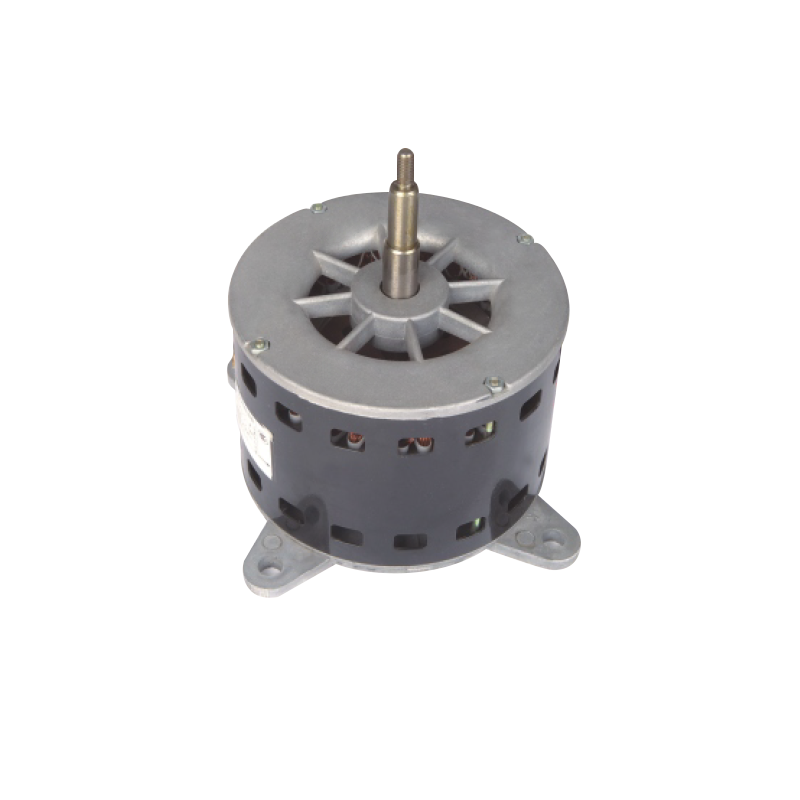
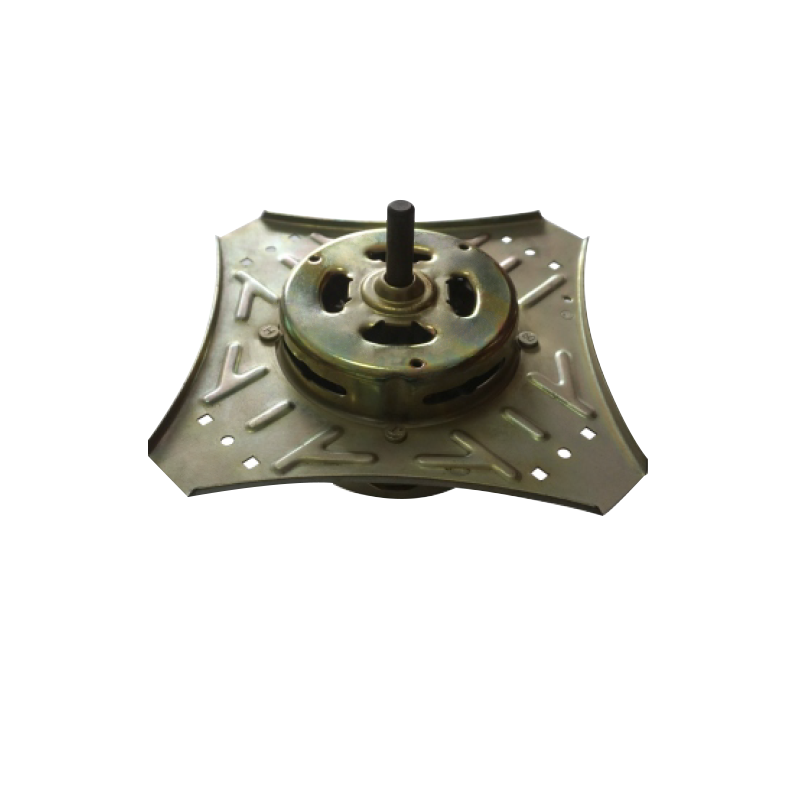
Anhui Juhong Electrical Technology Co., Ltd. covers an area of 12,000 square meters, with fixed assets of 50 million RMB and over 150 employees, including more than 20 technical personnel and 2 professional engineers. We are professional Special Type Motor Manufacturer and Custom Special Type Motor factory in China.
Juhong Motor is equipped with comprehensive production facilities, featuring advanced domestic industry-leading equipment such as multiple closed double-point high-speed precision presses, automatic winding insertion machines, electronic aluminum casting machines, and other production equipment under advanced production conditions. The annual production capacity reaches 4 million household motors and 500,000 other types of motors.
In addition, the company scientifically implements TQM and 6S on-site management models. It is one of the first electromechanical manufacturing enterprises in the industry to achieve ISO9001, ISO14001, and OHS18001 certifications, while also obtaining mandatory certifications such as CCC, UL, CE, and TUV. The company holds 9 utility model patents and 2 invention patents. Over the years, the "Juhong Brand" series of motors have achieved a 100% pass rate in spot checks conducted by national, provincial, and municipal quality inspection centers, with technical performance reaching industry-leading levels, earning widespread customer acclaim and praise.
Anhui Juhong Electrical Technology Co., Ltd. possesses strong technical capabilities, sophisticated equipment, advanced manufacturing processes, and comprehensive testing methods. The company applies new technologies and new processes to develop new projects. To meet the demands of both domestic and international markets, all employees will continue to uphold the corporate spirit of "excellence in craftsmanship" and "quality-driven success," striving to provide society with "first-class products, first-class quality, and first-class service." We sincerely welcome domestic and international customers, as well as partners from all sectors, to engage in sincere cooperation for mutual development!
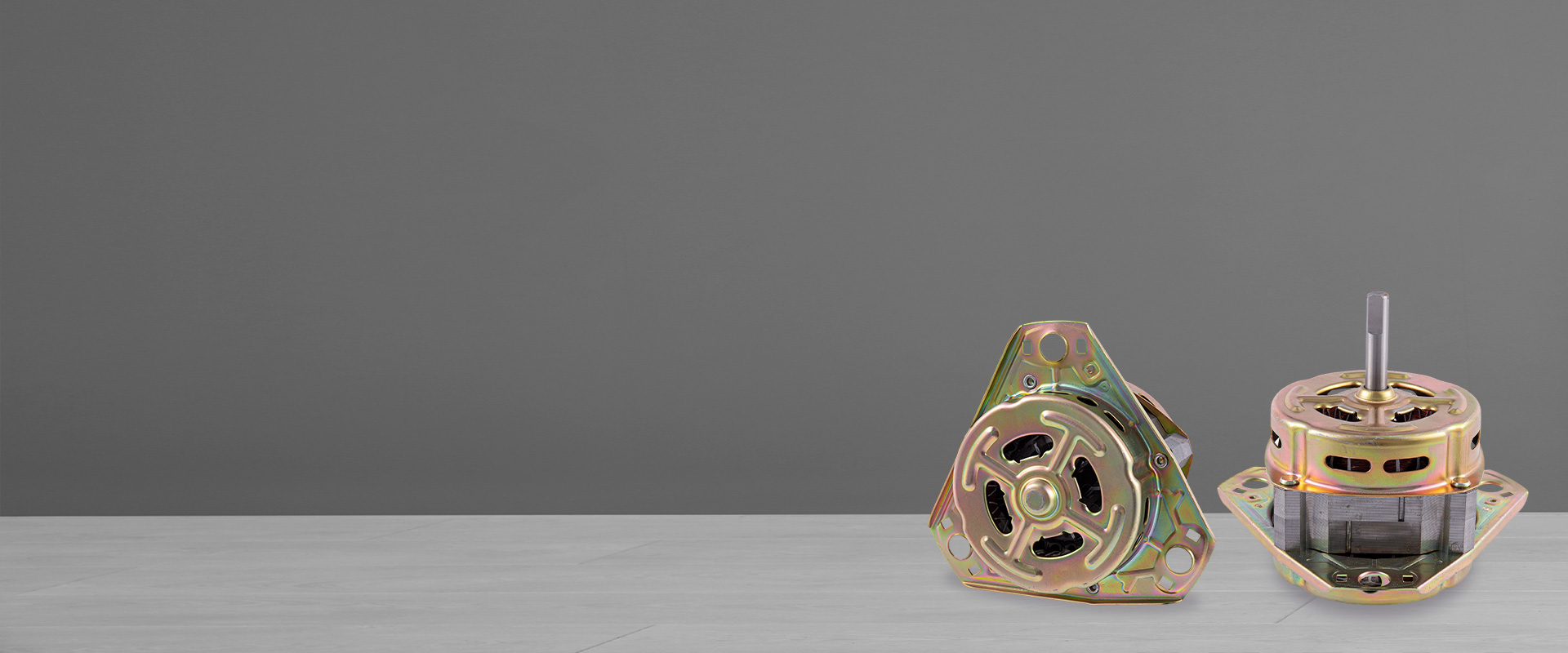
Special Type Motor Manufacturer
Special type motors are high-performance motors designed for specific applications and functional requirements. Unlike traditional general-purpose motors, their structures, materials, and control methods are often highly specialized and customized. These motors are widely used in industrial automation equipment, medical devices, precision instruments, aerospace, scientific research and experimental equipment, and specialized transportation vehicles, meeting the demands of operating in extreme environments or under specialized operating conditions. Specialty motors typically offer significant advantages in power density, high-temperature resistance, corrosion resistance, low noise, precise control, and high efficiency. They can be customized to meet user requirements, ensuring both reliability and durability.
The design process for special type motors emphasizes optimizing structural dimensions and control algorithms to achieve high precision, fast response speed, and energy efficiency. Whether they are micro drive motors, servo motors, brushless DC motors, or high-torque, high-power motors, specialty motors provide stable and precise power output, adapting to complex operating environments and demanding industrial standards.
Special Type Motor Manufacturer for Equipment-Specific Drive Duties
Anhui Juhong Electrical Technology Co., Ltd. manufactures motors for machines that cannot be driven correctly by a standard general-purpose unit. As a Special Type Motor manufacturer, we work backwards from the driven assembly: the torque and speed envelope, the mounting footprint, the ambient conditions and the control interface define the electrical and mechanical design. Production runs at our Langxi plant in Xuancheng, Anhui, China.
This family exists because a general-purpose rating is not enough in hot or classified areas, in tight mounting space, in low-noise instruments, or wherever a precise torque profile has to be held for years. Our work concentrates on two dedicated special-purpose lines, supported by the wider purpose-built motor and spare-parts ranges we build on the same platform.
What Our Special Type Motor Range Covers
We supply configured motors rather than fixed catalogue numbers, so the specification is set by the application at the order stage.
- Explosion-Proof High-Temperature Drive Motor — drive duty in hot process areas or hazardous atmospheres, where flame containment and thermal margin are part of the mechanical design.
- Micro DC Precision Motor — compact DC drives for quiet, low-vibration motion in precision mechanisms and instruments.
- Purpose-built variants of our AC, waterproof, fan and appliance motor platforms when a modified winding, shaft, flange or enclosure is required.
- Matched spare parts — stators, rotors, housings, end shields and wear components that keep the same builds serviceable in the field.
Range and Application Matching
| Product line | Design focus | Typical application fit | Inputs we confirm |
|---|---|---|---|
| Explosion-Proof High-Temperature Drive Motor | Flame containment, thermal margin, high-temperature insulation system | Drives in hot process areas or classified atmospheres | Zone and gas or dust group, ambient range, load cycle, mounting flange |
| Micro DC Precision Motor | Compact frame, low rotor inertia, smooth low-speed running | Precision mechanisms, instruments, small positioning drives | Supply voltage, working torque and speed, feedback, shaft and lead options |
| Waterproof Motor | Sealed enclosure, corrosion-resistant surface finish | Wash-down, humid and outdoor equipment | Ingress protection level, cleaning agents, cable entry, humidity |
| AC Motor | Induction builds for fixed or simple variable speed | Pumps, fans, general machinery | Voltage and frequency, starting load, duty, mounting |
| Grinding Machine Motor | High-speed universal and induction builds | Bench and portable grinding equipment | Speed at load, frame size, brush life, arbor geometry |
| Cutting Machine Motor | Torque reserve in a compact frame | Cutting and sawing equipment | Cutting load, duty cycle, blade inertia, mounting |
| Massage Chair Motor | Low noise, low vibration, sustained low-speed running | Motorised furniture and seating mechanisms | Noise target, load, service life, mounting points |
Inside the Two Dedicated Lines
Explosion-Proof High-Temperature Drive Motor
These motors are specified where the surrounding atmosphere or the process heat is the limiting factor. Flame-path geometry, terminal enclosure, winding insulation class and surface treatment follow the area classification and the ambient range at the mounting position, while the shaft and flange are machined to the driven equipment.
Micro DC Precision Motor
Permanent-magnet DC designs are used where space is short and motion must stay quiet and repeatable. Rotor inertia, brush or brushless commutation, bearing selection and lead routing are matched to the mechanism, the supply voltage and the number of operating cycles expected over the service life.
Engineering the Motor Around the Duty Point
Materials, windings and thermal design
- Conductors: copper or aluminium windings are chosen against resistance, efficiency target and cost structure; the two are not interchangeable at equal slot geometry because the required cross-section differs.
- Insulation and impregnation: insulation class and varnish system selected for the ambient temperature and the duty cycle, not for a nominal rating alone.
- Magnetic circuit: magnet grade for DC and brushless builds chosen for temperature stability and demagnetisation margin.
- Bearings: ball or sleeve, shielded or sealed, with grease matched to speed, load and expected life.
- Mechanical parts: shaft steel, die-cast or machined housings, rotor balancing and stack length set by the speed and vibration target.
Configuration options
- Supply: single-phase, three-phase, low-voltage DC or a rectified DC bus.
- Output defined as a torque and speed envelope, including peak torque for starting and reversing.
- Shaft diameter, keyway, thread, foot or flange mounting, terminal box position and lead exit direction.
- Enclosure protection, surface finish and drain or sealing details for humid or wash-down areas.
- Thermal protection, Hall sensors, encoder or tachometer feedback for closed-loop operation.
- Cable length, connector type and pin-out to match the customer harness.
Control and automation integration
When the machine needs variable speed, the motor and the drive are engineered together. We agree the electrical interface and the operating points first, then deliver the motor with the nameplate and interface information the controller needs: rated points, pole pairs, sensor type and output signal. Acceleration ramps, current limits and thermal protection settings are set during commissioning against the motor data, so the drive protects the winding instead of relying on a fixed current figure.
Manufacturing Base, Capacity and Quality Control
Anhui Juhong Electrical Technology Co., Ltd. was founded in 2008 and operates a 12,000 square metre plant in the Langxi Economic Development Zone, Xuancheng, Anhui, China, with fixed assets of RMB 50 million and more than 150 employees, including over 20 technical personnel and 2 senior engineers.
- Annual capacity: 4.5 million units — 4 million household motors and 500,000 other motor types.
- Equipment: closed double-point high-speed precision presses, automatic winding insertion machines and electronic aluminium casting machines.
- Management systems: ISO9001, ISO14001 and OHS18001, applied from development and material procurement through production control, shipment inspection and after-sales service, with TQM and 6S on-site management.
- Mandatory certifications: CCC, UL, CE and TUV.
- Intellectual property: 9 utility model patents and 2 invention patents.
- Quality record: 100% pass rate in spot checks carried out by national, provincial and municipal quality inspection centres.
Acceptance, Documentation and Delivery Scope
Acceptance scope is agreed with each special-purpose order before the batch is released, so the sample and the series production are measured against the same drawing and data sheet.
- Approved sample or first-article report covering dimensions, shaft end, mounting and running data.
- No-load current, speed and input power records, plus dielectric withstand and insulation resistance results.
- Run-in check and, where specified, vibration or noise measurement at the working point.
- Nameplate, terminal marking and wiring identification against the agreed drawing.
- Packing specification, quantity check and shipping marks for the agreed delivery scope.
Order documentation includes the confirmed specification sheet, dimensional drawings and the compliance documents required for the destination market.
Information We Use to Configure Your Solution
| Project input | What we need from you | What it determines |
|---|---|---|
| Driven assembly | Mechanism data, transmission ratio, total inertia | Required shaft torque and acceleration margin |
| Duty cycle | Continuous or intermittent, starts per hour, on and off ratio | Thermal margin, insulation class, bearing selection |
| Torque and speed envelope | Working points, peak torque, maximum speed | Winding data, stack length, rotor or magnet design |
| Environment | Ambient temperature, humidity, dust, zone classification | Enclosure, ingress protection, surface treatment, flame-path design |
| Electrical supply and control | Voltage, frequency, DC bus, drive type, feedback | Winding data, lead-out, sensor set, terminal arrangement |
| Mechanical interface | Shaft drawing, keyway, flange or foot mounting, space limits | Frame, shaft material, mounting and balance grade |
| Commercial frame | Annual volume, batch size, delivery schedule, market compliance | Tooling, production planning, packing and documentation |
Maintenance, Spare Parts and Serviceability
Bearings, brushes on universal builds and shaft seals are the parts that normally reach the end of their life first, so we keep the replacement references with the order record and hold the same winding and rotor data for repeat supply. Stators, rotors, housings, end shields and wear components are supplied through our Motor Spare Parts range.
- Store motors dry, with shaft protection in place and the terminal box closed.
- Record the part number, production batch and the operating temperatures at commissioning.
- Replace bearings as a set, with the grease type matched to the original speed and load.
- Return the repair specification with any burnt-out unit so the winding data can be verified before rewinding.
Frequently Asked Questions
Can you build a special type motor to our drawing instead of a catalogue rating?
Yes. Special-purpose work starts from your assembly drawing, the torque and speed requirement and the duty cycle. We define the winding, rotor or magnet design, the shaft and the mounting geometry, then release a sample for approval before series production.
What data do you need to quote a special-purpose motor?
The driven assembly, working torque and speed, peak or acceleration torque, duty cycle, ambient conditions, supply voltage, control method, mounting drawing, annual volume and destination market. From that we set the motor configuration and the quotation basis.
How do you handle explosion-proof and high-temperature requirements?
Flame-containment features, insulation class and surface treatment follow the area classification and the surrounding temperature at the mounting position. The zone, gas or dust group, temperature class and ambient range are confirmed for each project, together with the load cycle that drives thermal margin.
Which certifications does Juhong hold?
Our management systems are certified to ISO9001, ISO14001 and OHS18001, and we hold CCC, UL, CE and TUV mandatory certifications, alongside 9 utility model and 2 invention patents. The compliance documents supplied with an order are agreed for the specific market.
What production capacity and batch sizes can you support?
Annual capacity is 4.5 million units — 4 million household motors and 500,000 other motor types. Batch size for a special type motor follows the tooling and process set-up agreed for the order, so both sample quantities and series volumes can be planned on the same document set.
No.6 Wuyashan Road, Langxi Economic Development Zone, Xuancheng City, Anhui, China
+86-563-7370081
