
 English
 中文简体
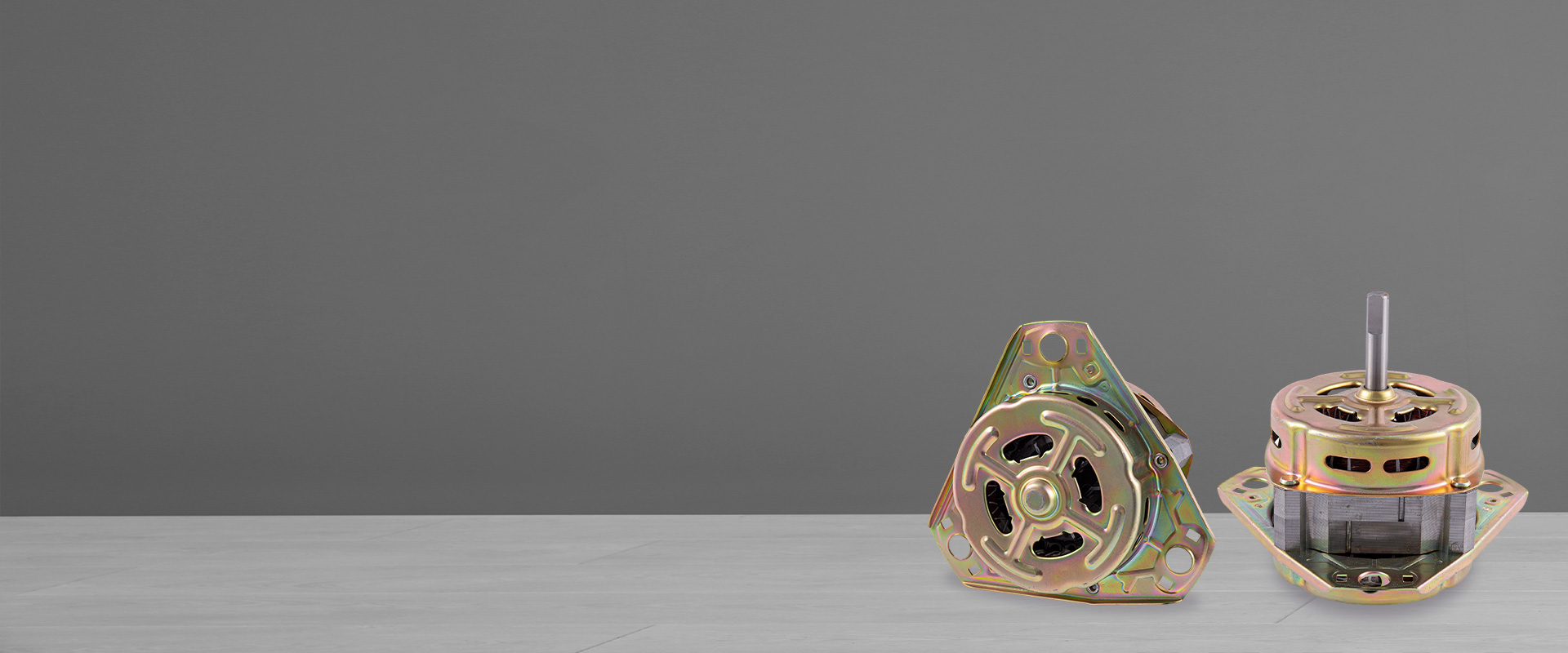







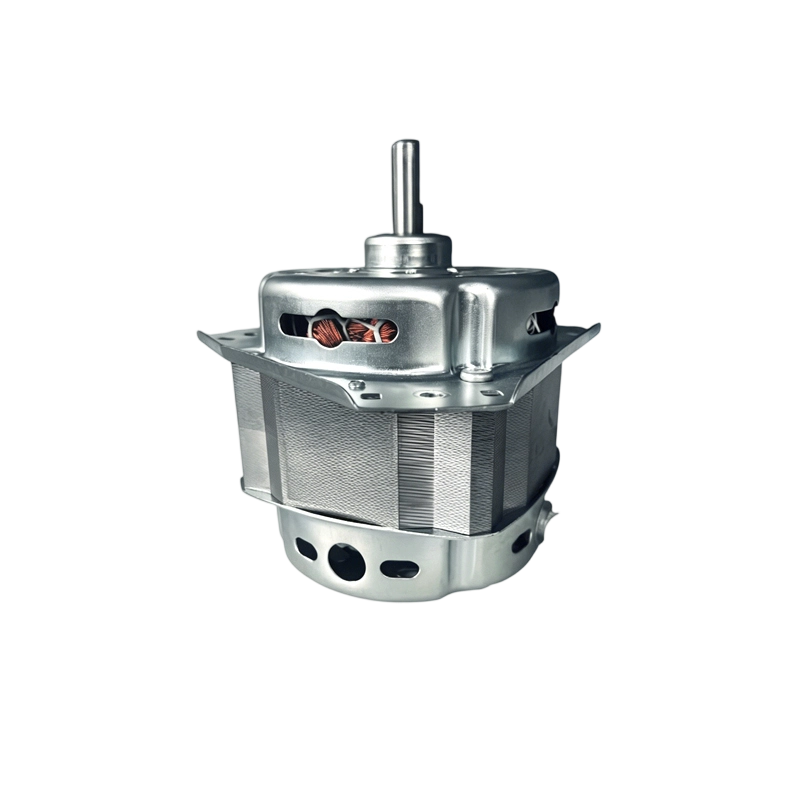
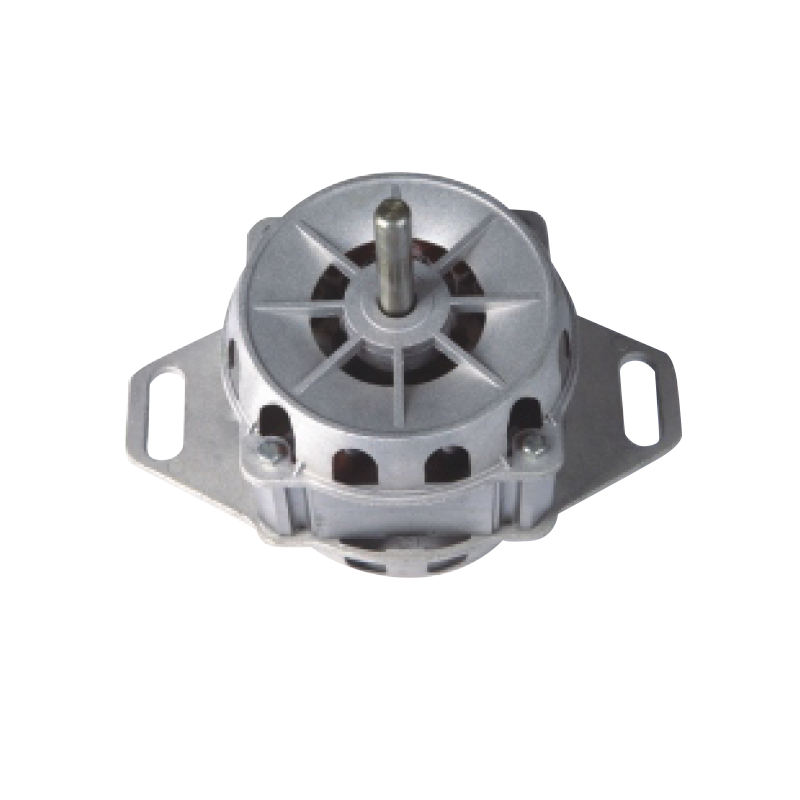
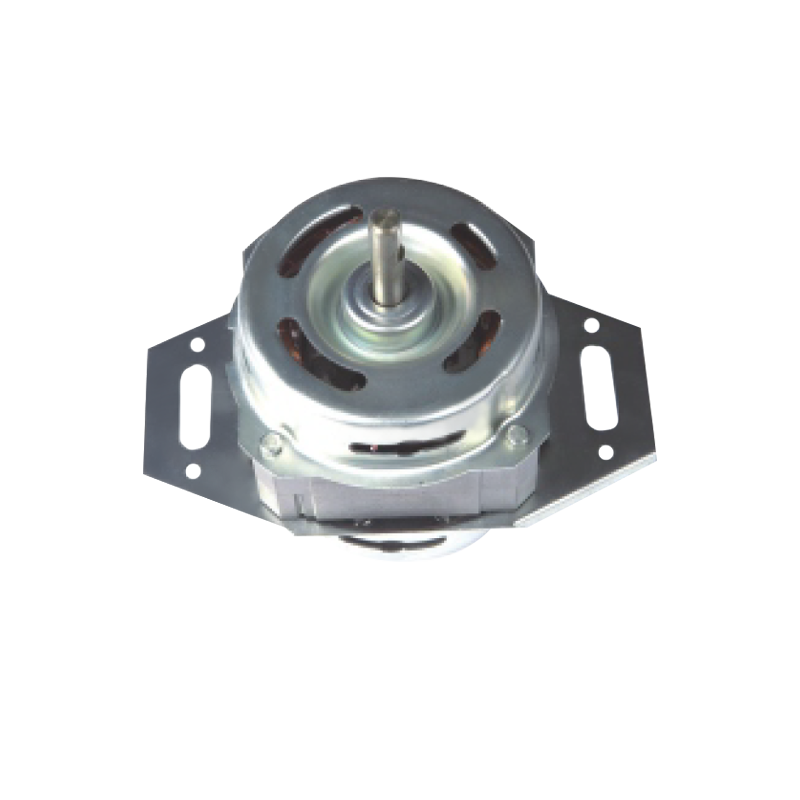
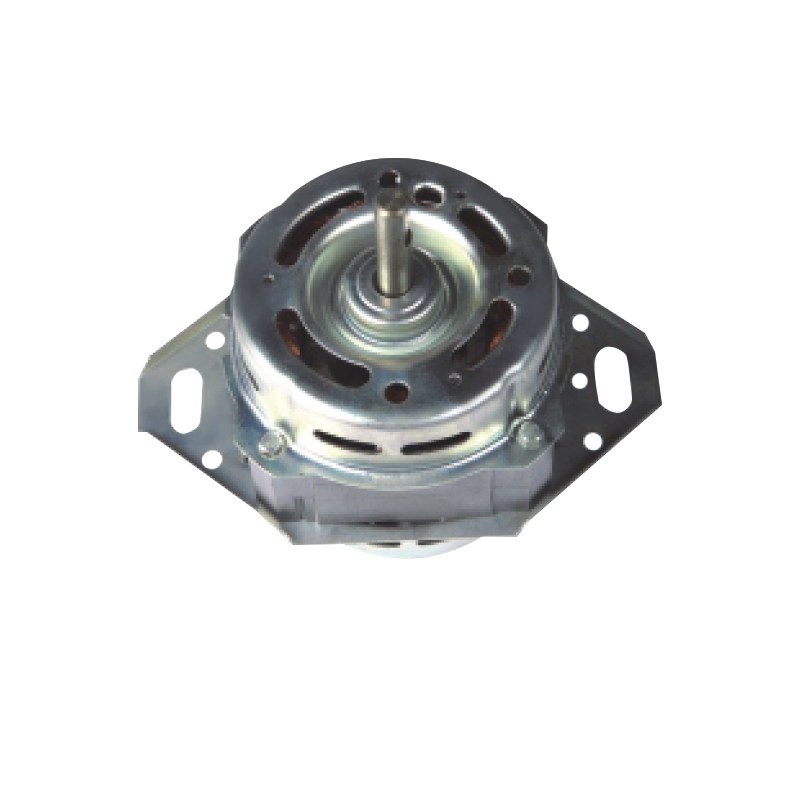
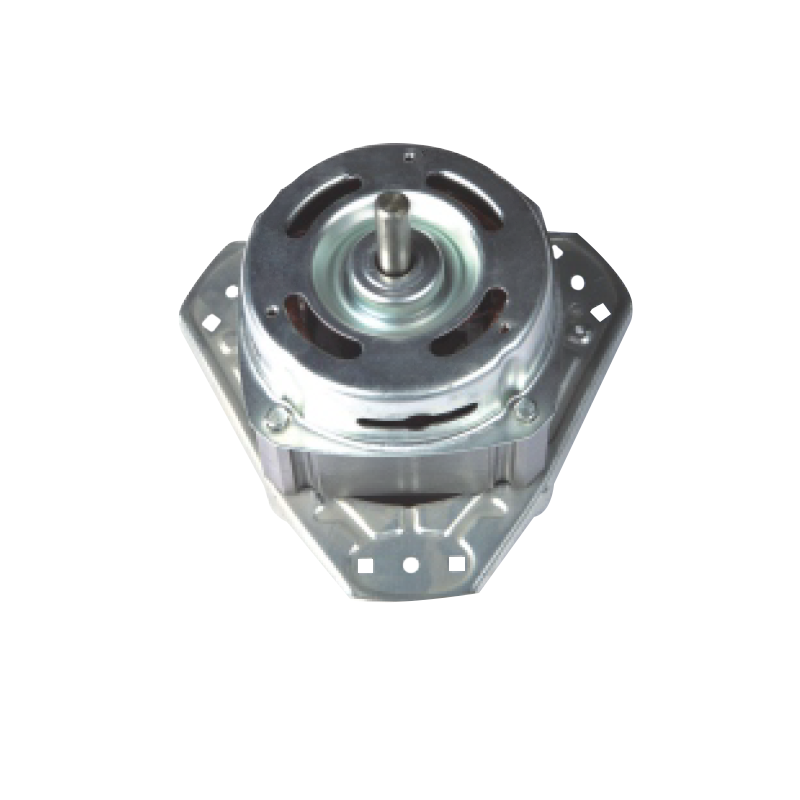
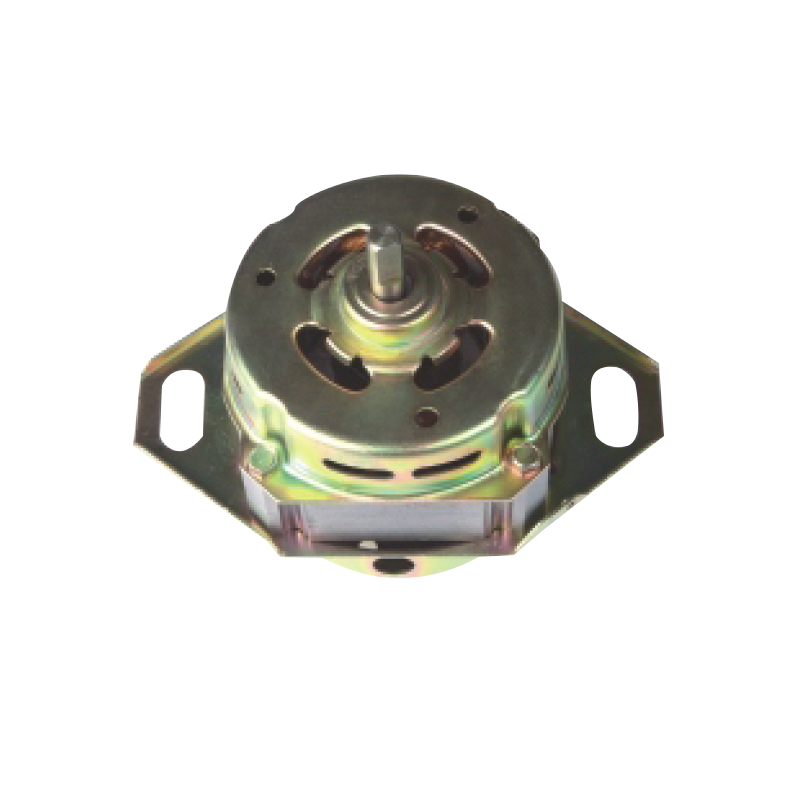
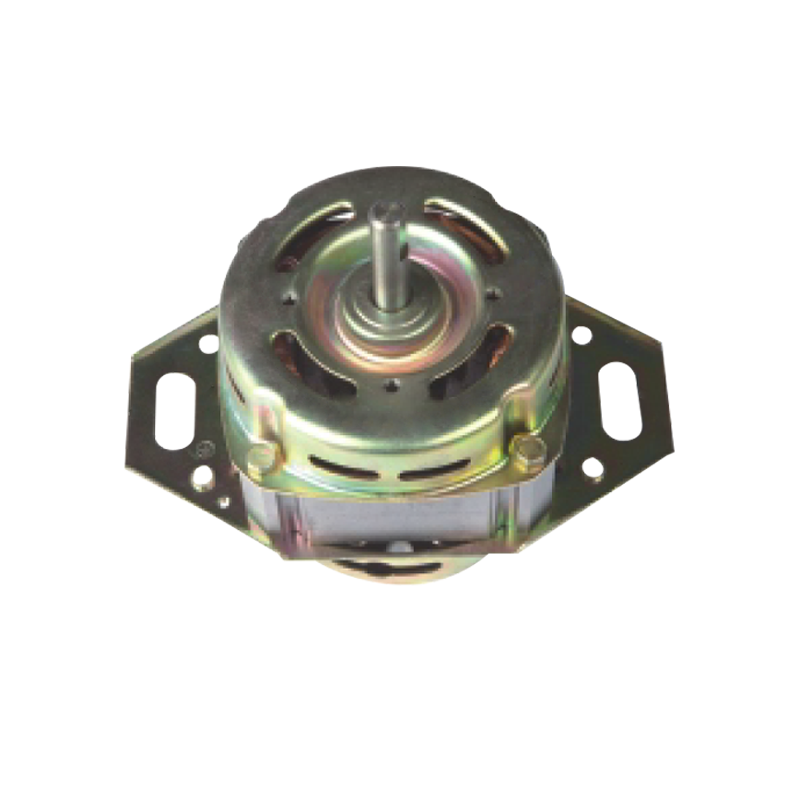
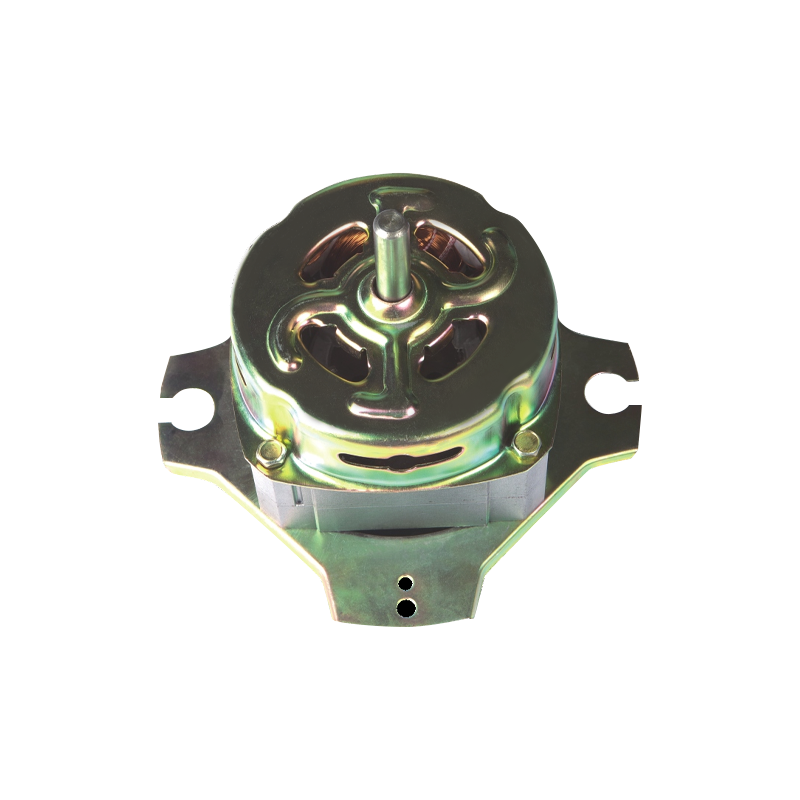
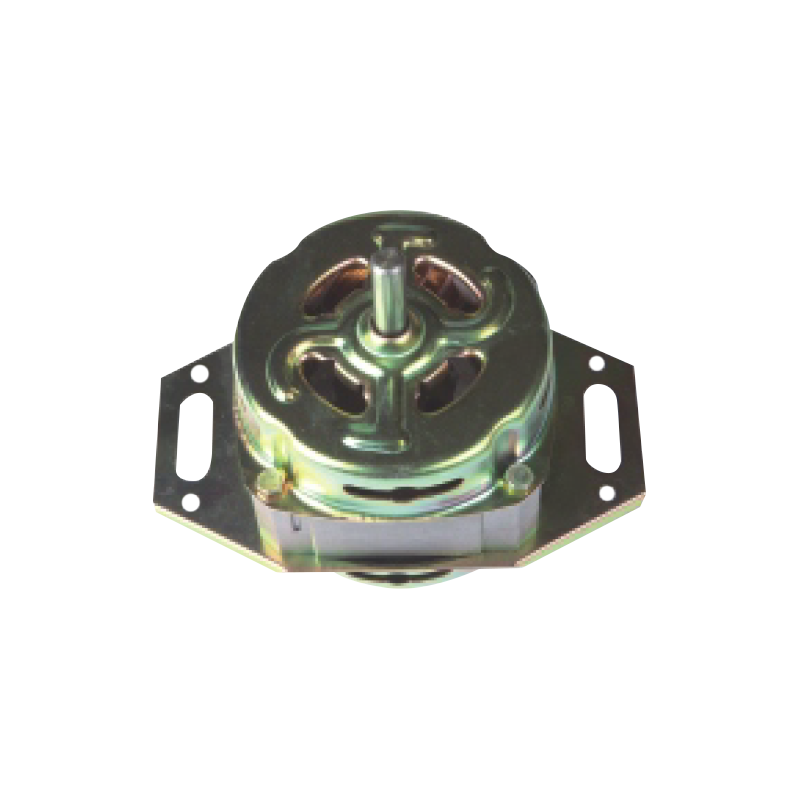
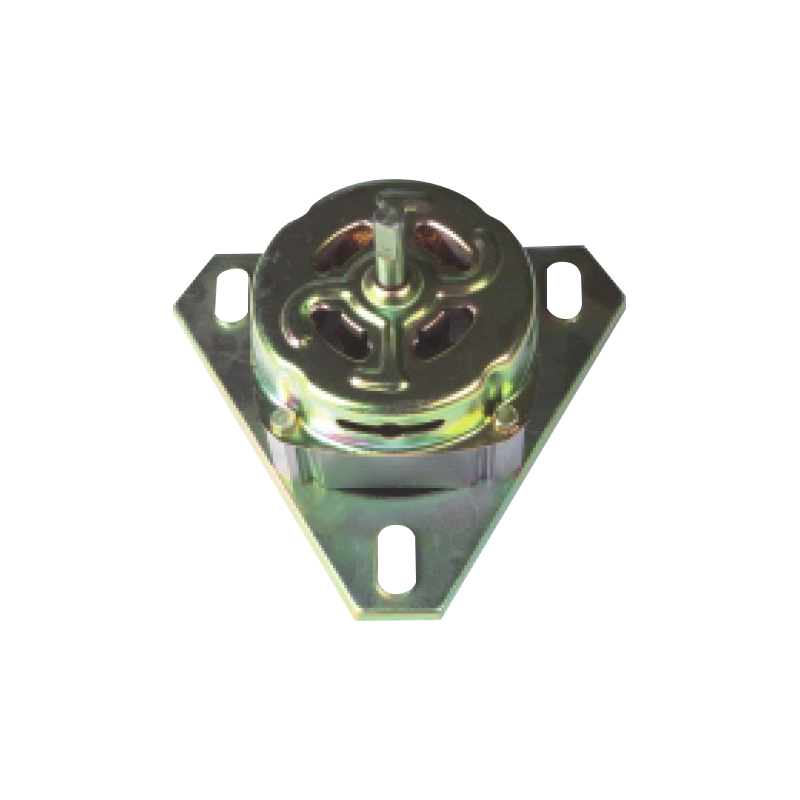
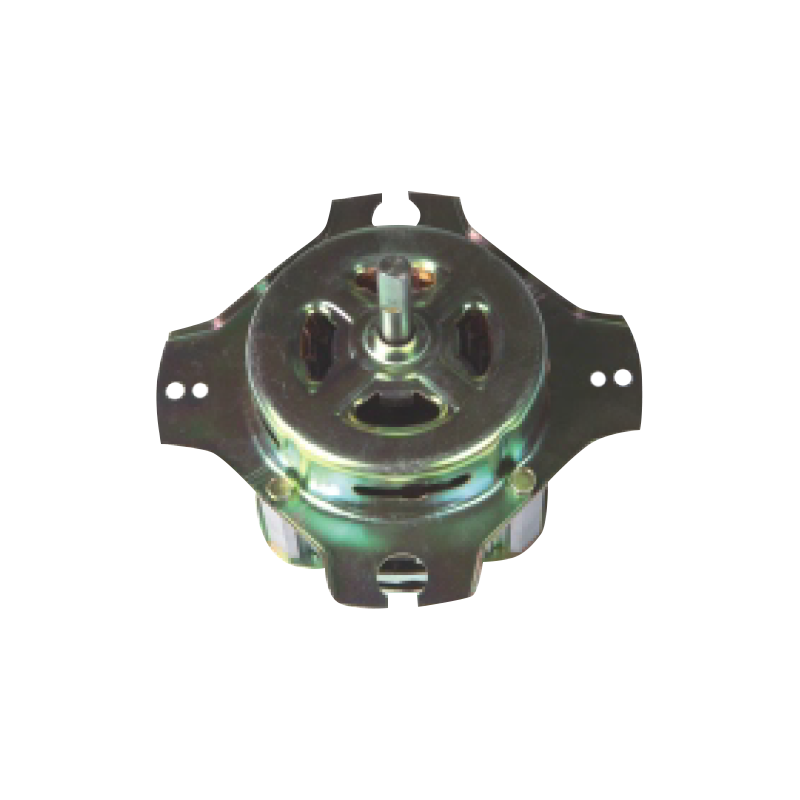
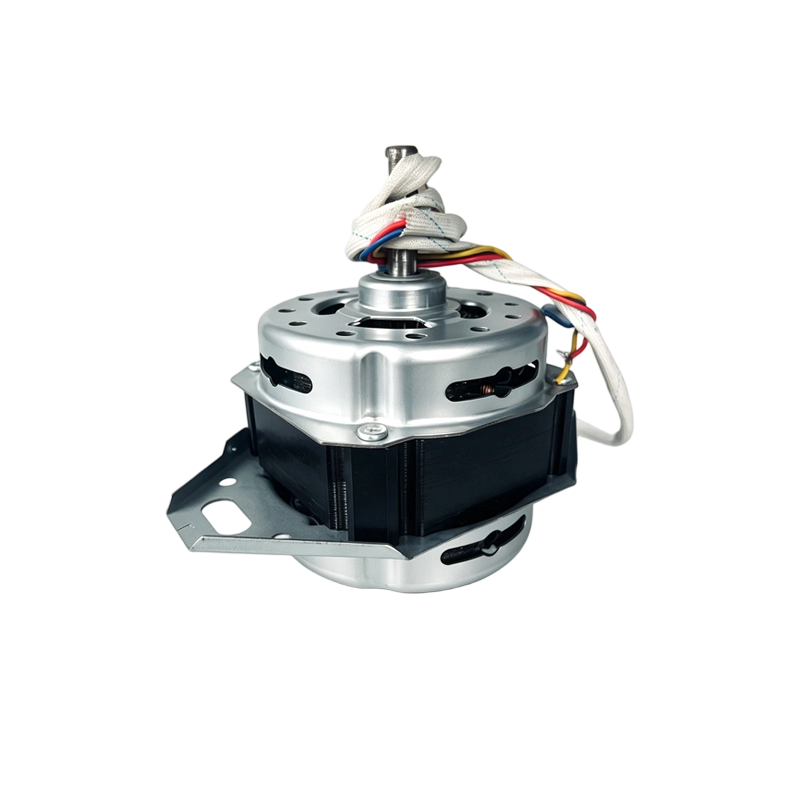
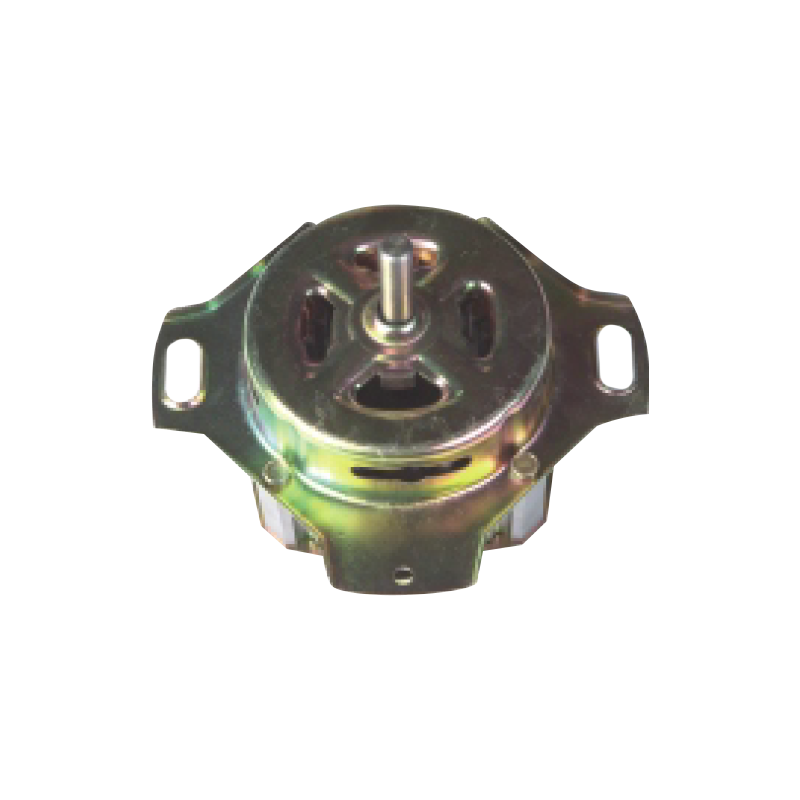
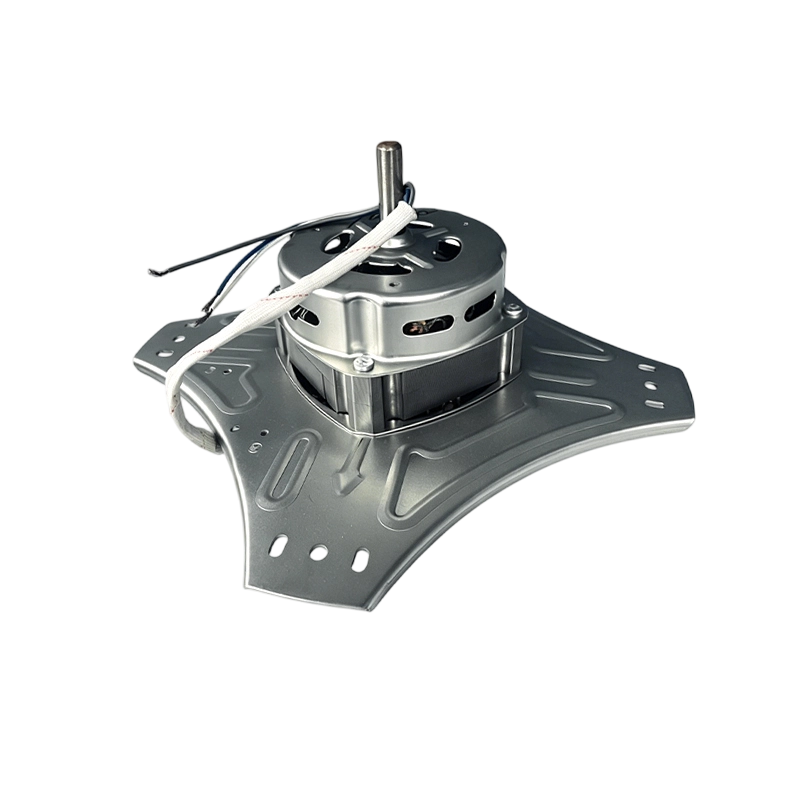
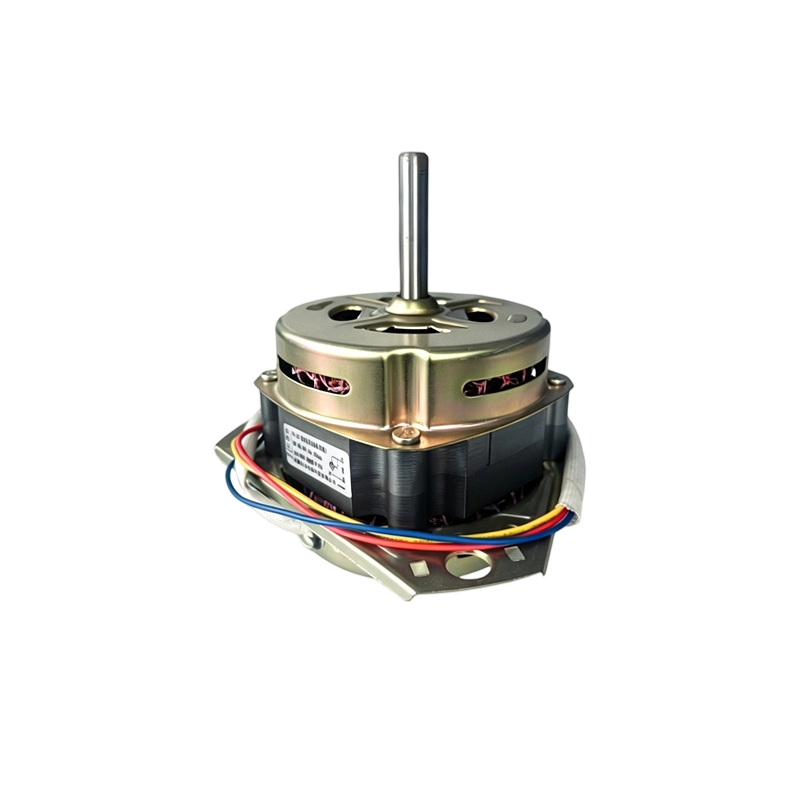
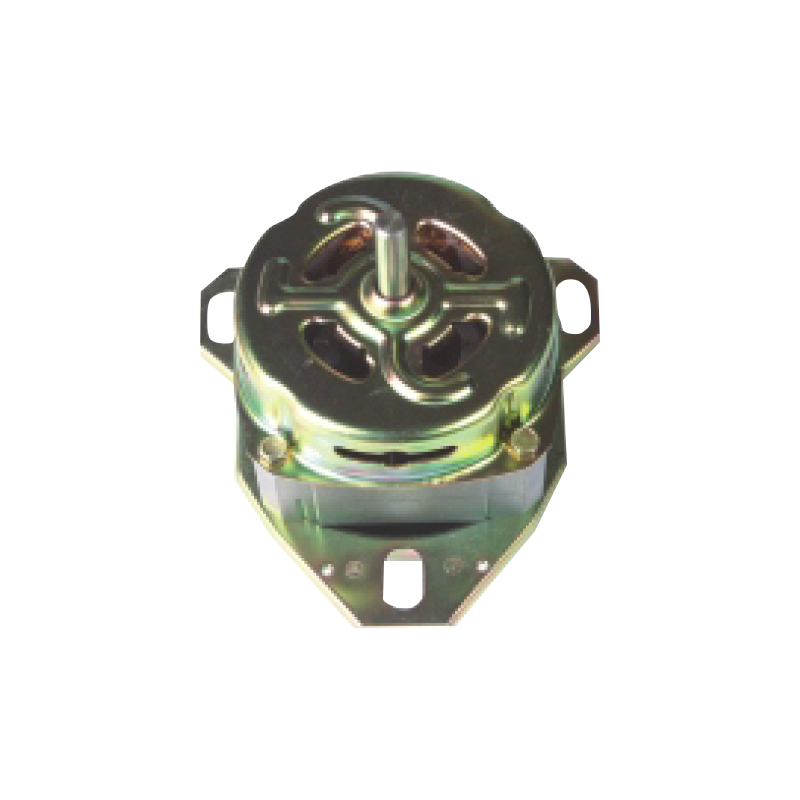
Anhui Juhong Electrical Technology Co., Ltd. covers an area of 12,000 square meters, with fixed assets of 50 million RMB and over 150 employees, including more than 20 technical personnel and 2 professional engineers. We are professional Automatic Washing Machine Motor Supplier and OEM full and semi automatic Washing Machine Motor exporter in China.
Juhong Motor is equipped with comprehensive production facilities, featuring advanced domestic industry-leading equipment such as multiple closed double-point high-speed precision presses, automatic winding insertion machines, electronic aluminum casting machines, and other production equipment under advanced production conditions. The annual production capacity reaches 4 million household motors and 500,000 other types of motors.
In addition, the company scientifically implements TQM and 6S on-site management models. It is one of the first electromechanical manufacturing enterprises in the industry to achieve ISO9001, ISO14001, and OHS18001 certifications, while also obtaining mandatory certifications such as CCC, UL, CE, and TUV. The company holds 9 utility model patents and 2 invention patents. Over the years, the "Juhong Brand" series of motors have achieved a 100% pass rate in spot checks conducted by national, provincial, and municipal quality inspection centers, with technical performance reaching industry-leading levels, earning widespread customer acclaim and praise.
Anhui Juhong Electrical Technology Co., Ltd. possesses strong technical capabilities, sophisticated equipment, advanced manufacturing processes, and comprehensive testing methods. The company applies new technologies and new processes to develop new projects. To meet the demands of both domestic and international markets, all employees will continue to uphold the corporate spirit of "excellence in craftsmanship" and "quality-driven success," striving to provide society with "first-class products, first-class quality, and first-class service." We sincerely welcome domestic and international customers, as well as partners from all sectors, to engage in sincere cooperation for mutual development!
Washing Machine Motor Supplier
The washing machine motor is the core power component of the washing machine system. It is primarily responsible for converting electrical energy into mechanical energy to drive the inner drum in a controlled rotation, thereby completing functions such as washing, rinsing, and spinning of clothes. Its performance directly affects the overall efficiency, operational stability, and service life of the machine.
Currently, mainstream washing machines mainly use Brushless DC Motors (BLDC) or Permanent Magnet Synchronous Motors (PMSM). These types of motors utilize electronic commutators to control current, enabling precise adjustment of speed and torque. Compared to traditional AC induction motors, they offer significant advantages such as higher energy efficiency, lower vibration, reduced noise, and a wider speed range. The motor is typically directly connected to the load, resulting in a compact structure and high transmission efficiency, while minimizing energy loss caused by mechanical transmission.
The motor control system integrates multiple protection features, including overload protection, overheat protection, and overvoltage/undervoltage protection. These features enable the system to automatically adjust or cut off power under abnormal operating conditions, ensuring the safety of both the motor and the entire machine. Moreover, advanced control algorithms allow the motor to support various operating modes, such as gentle wash, quick wash, and high-intensity spin cycles. This ensures effective cleaning performance while balancing energy consumption and fabric care.
Anhui Juhong Electrical Technology Co., Ltd. is a household appliance motor manufacturer located in the Langxi Economic Development Zone, Xuancheng City, Anhui, China, producing appliance motors since 2008. As a Washing Machine Motor manufacturer, we build 30 models across three drive families — automatic wash machine motors, wash motors and spin motors — together with washing machine spares and other household appliance motors for OEM programmes and replacement supply.
Published models run from 50W spare and top-load motors through 90W inverter and 120W direct-drive versions to 135W fully automatic and 180W aluminium-winding motors. Brushless DC, permanent magnet synchronous and single-phase induction designs are all produced, and the selection is fixed against the driven assembly — drum or pulsator, transmission, program profile and target market — rather than against nominal wattage alone.
Our Washing Machine Motor Range
| Range | Function in the appliance | Builds in the range | Primary configuration focus |
|---|---|---|---|
| Automatic Wash Machine Motor (7 models) | Combined wash and spin duty in fully automatic machines | 50W spare motor, 80W top load, 90W inverter, 100W universal, 120W direct drive, 135W fully automatic, 180W aluminium winding | Torque and speed coverage across the whole program, heat path, controller interface |
| Wash Motor (10 models) | Wash phase only — agitator, pulsator or drum rotation with frequent reversals | Waterproof, drum, DC, portable, high-torque, semi-automatic, energy-saving, universal AC, direct-drive | Starting torque, reversal duty, moisture and detergent resistance |
| Spin Motor (13 models) | High-speed extraction and dehydration | AC spin, twin-tub, brushless DC, copper winding, aluminium wire, drum spin, waterproof rotary spin | Acceleration to rated speed, dynamic balance, bearing and damping structure |
Automatic Wash Machine Motor
The Automatic Wash Machine Motor line drives both washing and spinning in one unit, using brushless DC or variable-frequency AC technology with electronic speed and torque adjustment. These motors are designed for frequent starting and stopping, bidirectional rotation and compact mounting inside the cabinet, with heat dissipation sized to the duty cycle rather than to a single steady-state point.
Wash Motor
Our Wash Motor range covers the laundry stage specifically: forward and reverse rotation in a defined pattern, high starting torque and smooth speed transitions for gentle or intensive programs. Winding and insulation treatment address humidity and detergent exposure, which is why waterproof and high-torque variants sit inside the same family as portable, DC and semi-automatic builds.
Spin Motor
The Spin Motor family is built for extraction: rapid acceleration to rated speed, stable running with an uneven textile load and controlled vibration transfer into the cabinet. Three-phase asynchronous and brushless DC designs are both offered, with speed feedback arrangements, bearing selection and damping matched to twin-tub, semi-automatic, drum and hotel-laundry machines.
Matching a Motor to the Washer Architecture
- Twin-tub: wash and spin are separate mechanisms, so the wash drive is specified for repeated starts and reversals while the spin drive carries sustained extraction speed with an unbalanced basket.
- Top-load pulsator or impeller: alternating direction at low speed demands torque through zero-crossing; our 100W universal, 135W fully automatic and 180W aluminium-winding motors are commonly applied here.
- Front-load drum: the drive reverses at low speed, distributes laundry before spin, passes through structural resonances and handles abort-and-restart events. Belt-drive and direct-drive layouts change the reflected inertia and therefore the torque the motor must produce.
- Reference speed: quoted speed must state whether it refers to the motor shaft or to the drum, since transmission ratio changes both the torque and the inertia seen at the shaft.
Specifications We Confirm Before Production
| Parameter | Why it is fixed up front | Input we work from |
|---|---|---|
| Shaft power and speed reference | Mechanical power depends on torque and angular speed together | Rated wash and spin speeds at the motor shaft |
| Starting and peak torque | Continuous, short-duration and locked-rotor torque are different duty cases | Load profile, including reversals and spin-up |
| Starts per hour and cycle timing | Thermal behaviour follows the duty cycle, not ambient temperature alone | Program timings and wash/spin segment lengths |
| Winding conductor | Copper and aluminium are not interchangeable at equal slot geometry | Cost, efficiency and lifetime targets |
| Shaft, flange and pulley interface | Mounting and coupling determine alignment, belt tension and vibration transfer | Driven-assembly drawing and cabinet envelope |
| Control and feedback interface | Electronic commutation must match the washer controller and sensing arrangement | Controller architecture, connector and harness details |
| Supply and market compliance | Voltage, frequency and certification route differ per destination | Target market and required approval marks |
Windings, Materials and Moisture Protection
Both copper and aluminium builds are represented in the range — aluminium-winding top-load and aluminium-wire spin models sit alongside copper-winding spin and fully automatic versions. Because wash motors operate in a wet, detergent-laden environment, we treat winding and insulation as a system decision: conductor choice, impregnation and end-winding protection are agreed together rather than specified separately.
Stator and rotor laminations come from our own closed double-point high-speed precision presses, and electronic aluminium casting equipment supports the aluminium builds in the catalogue. That vertical control over stamping and casting is what keeps dimensions and magnetic behaviour consistent from batch to batch.
Control Integration and Protection Functions
BLDC and PMSM motors in our range use electronic commutation, which allows speed and torque to be adjusted within the wash program instead of being fixed by the supply. Protection logic typically covers overload, overheat and overvoltage/undervoltage conditions, so the drive can limit or cut power when the appliance is loaded abnormally or the drum is unbalanced.
- Speed feedback for spin control, where the appliance design requires closed-loop running.
- Gentle wash, quick wash and high-intensity spin modes achieved through controller parameters rather than hardware changes.
- Flexible speed range with lower vibration and noise than fixed-speed induction alternatives.
Manufacturing Base and Quality Control
Our plant covers 12,000 m² with fixed assets of RMB 50 million and more than 150 employees, including a technical team of over 20 staff and 2 senior engineers. Annual capacity reaches 4.5 million units — 4 million household motors plus 500,000 other motors — supported by closed double-point high-speed precision presses, automatic winding insertion machines and electronic aluminium casting equipment.
ISO9001, ISO14001 and OHSAS18001 systems cover product development, material procurement, production control, shipment inspection and after-sales service, alongside CCC, UL, CE and TUV compliance. Juhong holds 9 utility model patents and 2 invention patents, applies TQM and 6S on-site management, and the Juhong Brand motor series has maintained a 100% pass rate in spot checks by national, provincial and municipal quality inspection centres.
Installation, Acceptance and Serviceability
- Mounting and coupling checks are defined by the flange, shaft and pulley interface agreed for the appliance.
- Routine and load running tests verify direction, speed band, current draw and vibration before packing.
- Inspection records, nameplate data and packing lists accompany each shipment; packaging and delivery scope are fixed in the order.
- Bearing, damping and shaft components are serviceable items, and the motor spare parts range covers replacement needs during the appliance lifetime.
Information We Use to Configure Your Solution
Send the appliance architecture and the driven assembly data, and we will return a configuration and quotation against a defined working point.
- Machine type — twin-tub, top-load pulsator, front-load drum, portable or hotel laundry — and drive layout (belt or direct).
- Drum or pulsator dimensions, transmission ratio, rotational inertia and the reference point for quoted speeds.
- Wash and spin program timings, reversal frequency, spin-up time and expected textile load.
- Supply voltage and frequency, controller interface, connector and harness requirements.
- Target market and required certification marks, plus noise and vibration limits.
- Mounting envelope, shaft and pulley dimensions, and ambient or moisture conditions.
- Annual volume, packaging preference and delivery destination.
Frequently Asked Questions
Which washing machine motors does Juhong manufacture?
We manufacture 30 washing machine motor models across three families: automatic wash machine motors for combined wash and spin duty, wash motors for the laundry stage, and spin motors for high-speed extraction. Power ratings in the current range run from 50W to 180W, with BLDC, PMSM and induction designs.
Can you build to an existing washer design or OEM specification?
Yes. The range is supplied as OEM builds, and configuration starts from the driven assembly drawing — shaft and flange interface, transmission ratio, program profile and controller interface. Custom requirements are reviewed against those documents before production.
Do you offer both copper and aluminium winding versions?
Both are produced. The catalogue includes 180W aluminium-winding top-load motors and aluminium-wire spin motors alongside copper-winding spin and fully automatic models. Because the two conductors behave differently at equal slot geometry, the choice is fixed together with efficiency and cost targets.
How is spin motor vibration controlled?
Spin motors are specified for acceleration to rated speed and stable running under an unbalanced basket, with bearing selection and damping arranged to reduce vibration transfer into the cabinet. Speed feedback arrangements are included where the appliance controller runs closed-loop.
What quality and compliance evidence applies to these motors?
Production runs under ISO9001, ISO14001 and OHSAS18001 systems from development through after-sales service, with CCC, UL, CE and TUV compliance for mandatory markets. Juhong holds 11 patents and applies TQM and 6S management across the Langxi plant.
What do you need to prepare a quotation?
A complete proposal needs the appliance type, driven assembly dimensions and transmission, duty profile, supply and controller interface, target market certification, mounting envelope, annual volume and delivery destination. With those inputs we confirm the motor rating, winding and interface, then issue the configuration and price.
No.6 Wuyashan Road, Langxi Economic Development Zone, Xuancheng City, Anhui, China
+86-563-7370081
