
 English
 中文简体







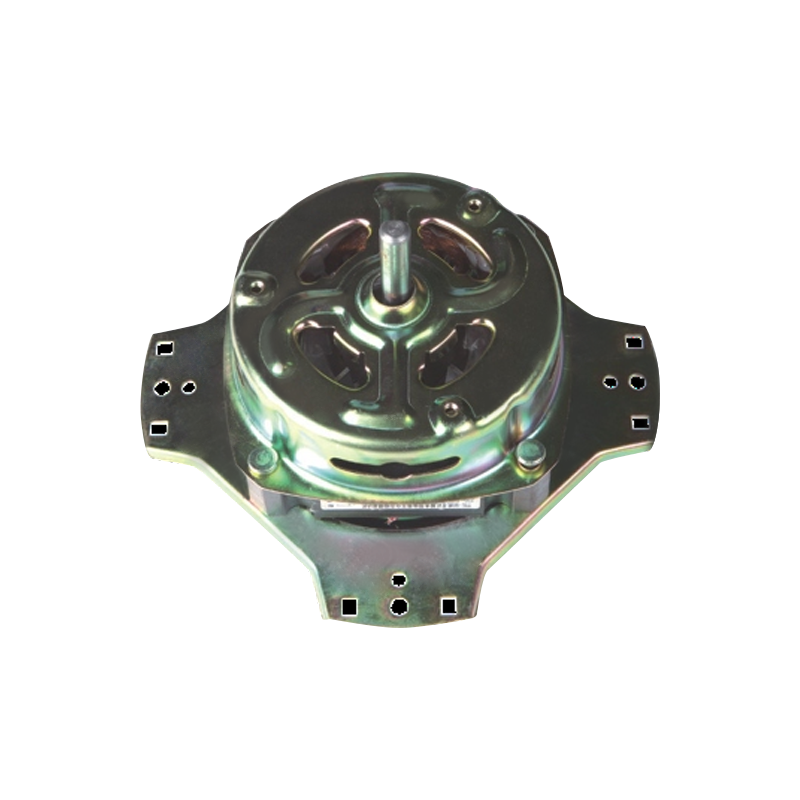
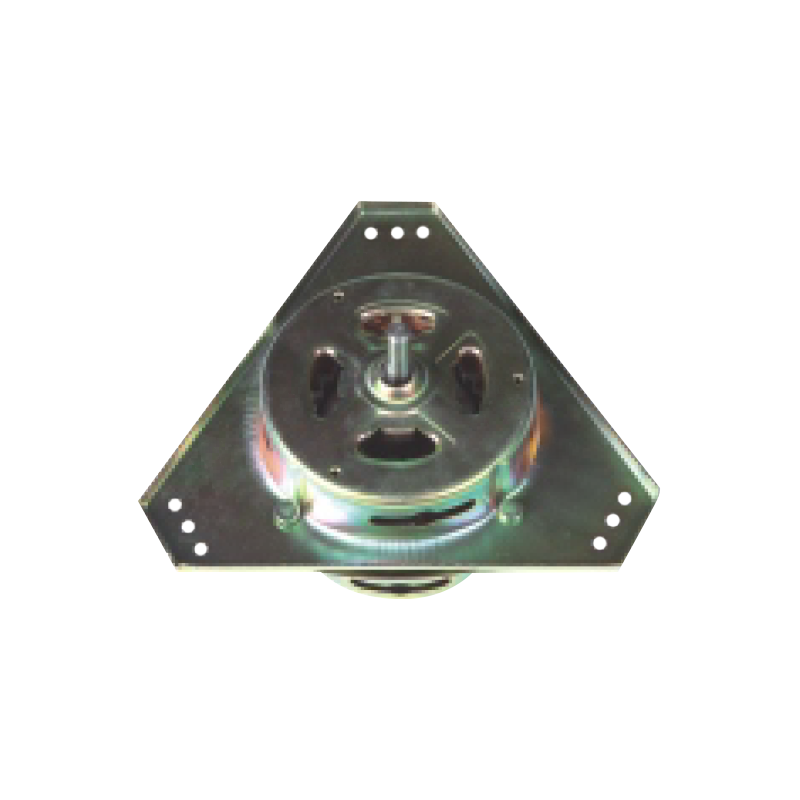
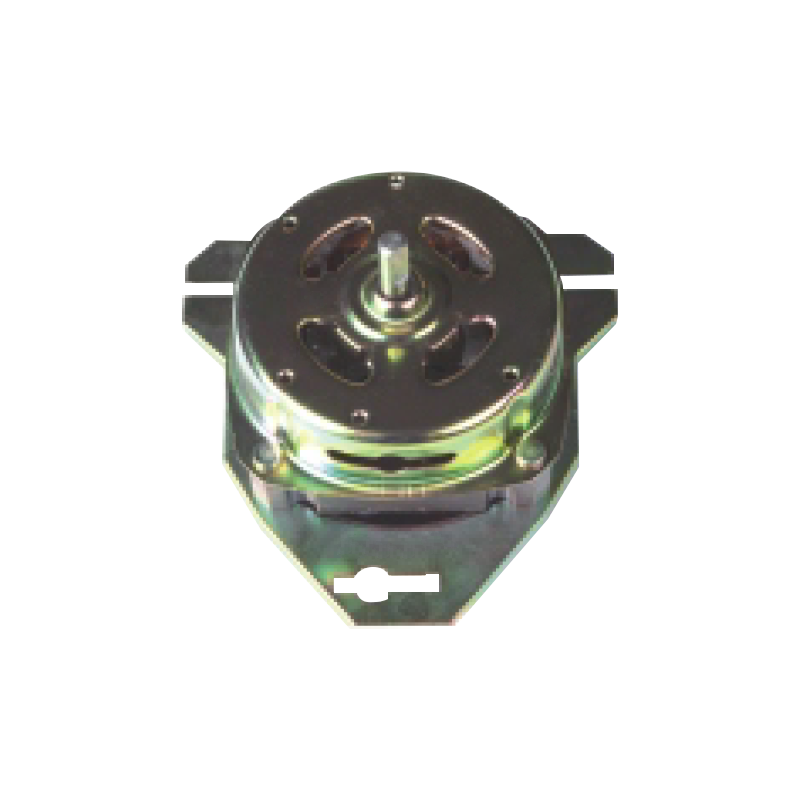
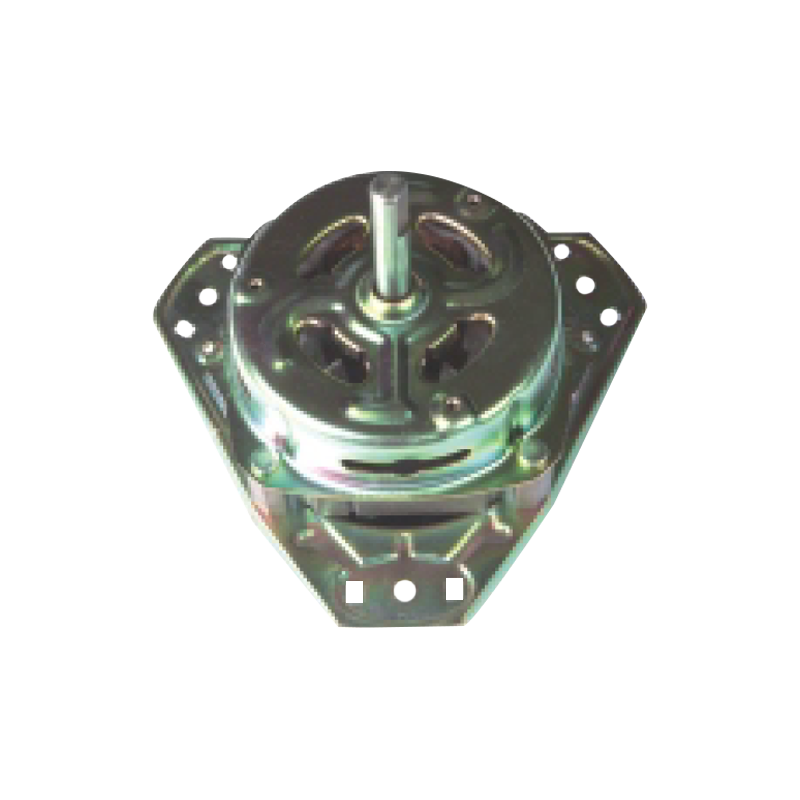
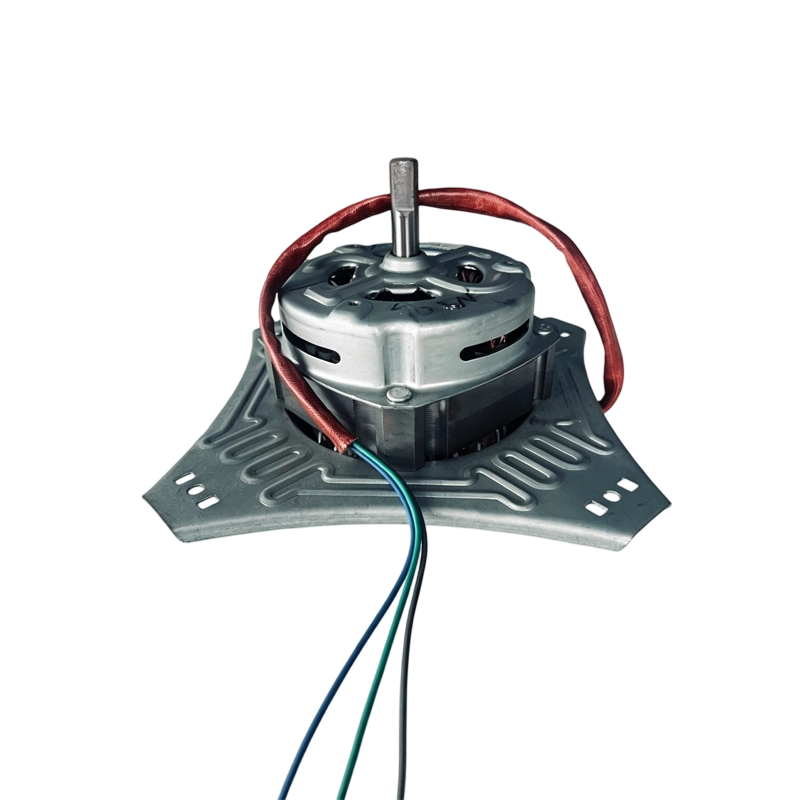
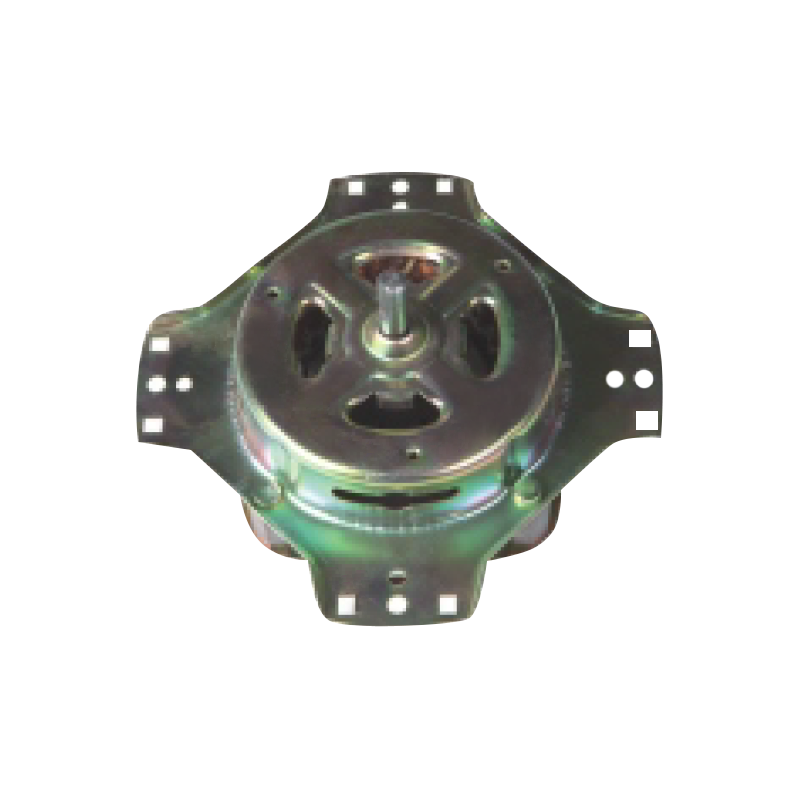
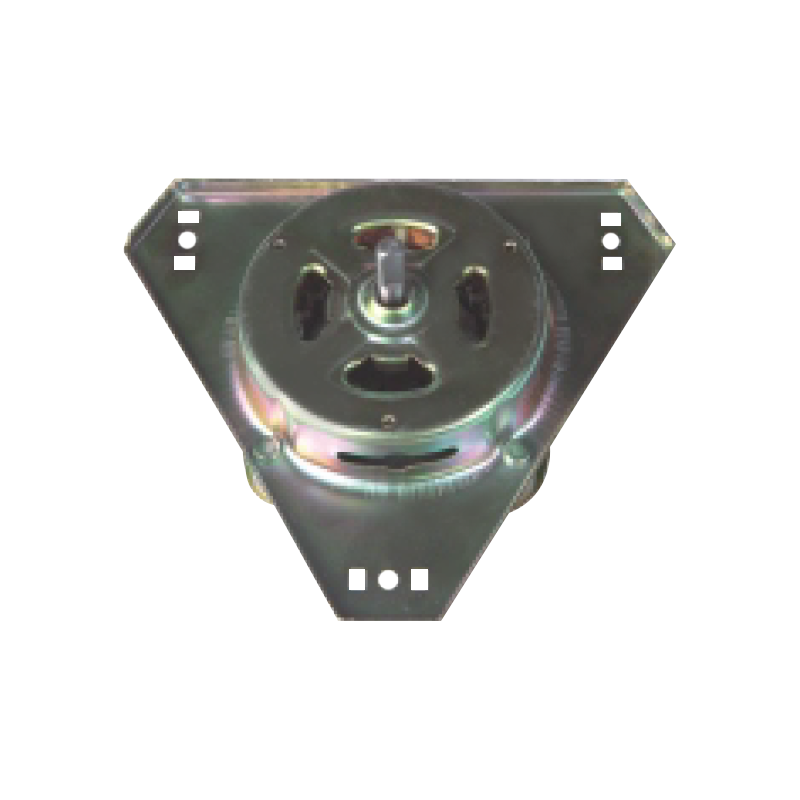
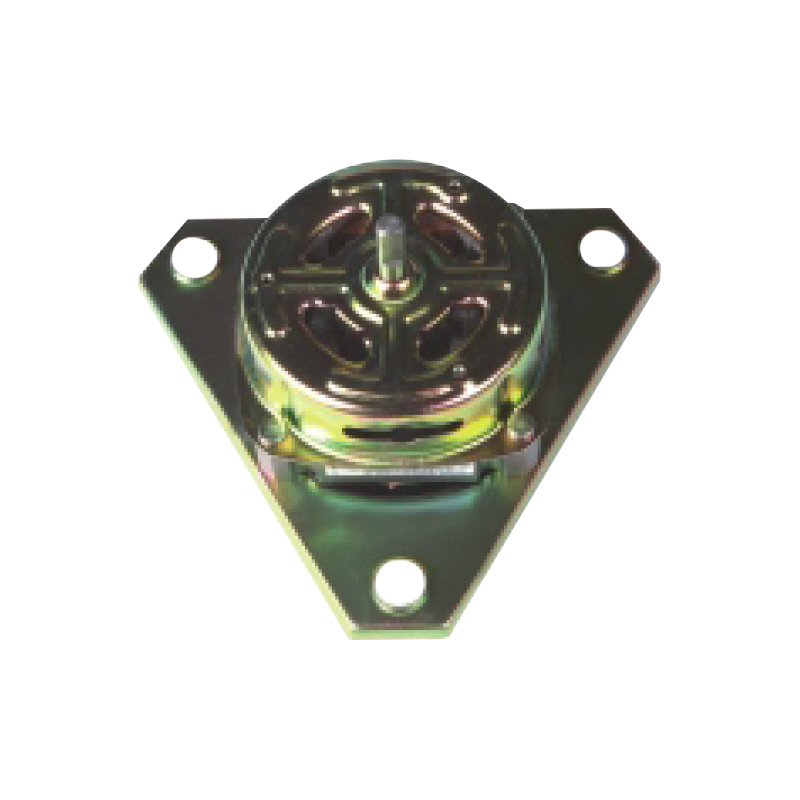
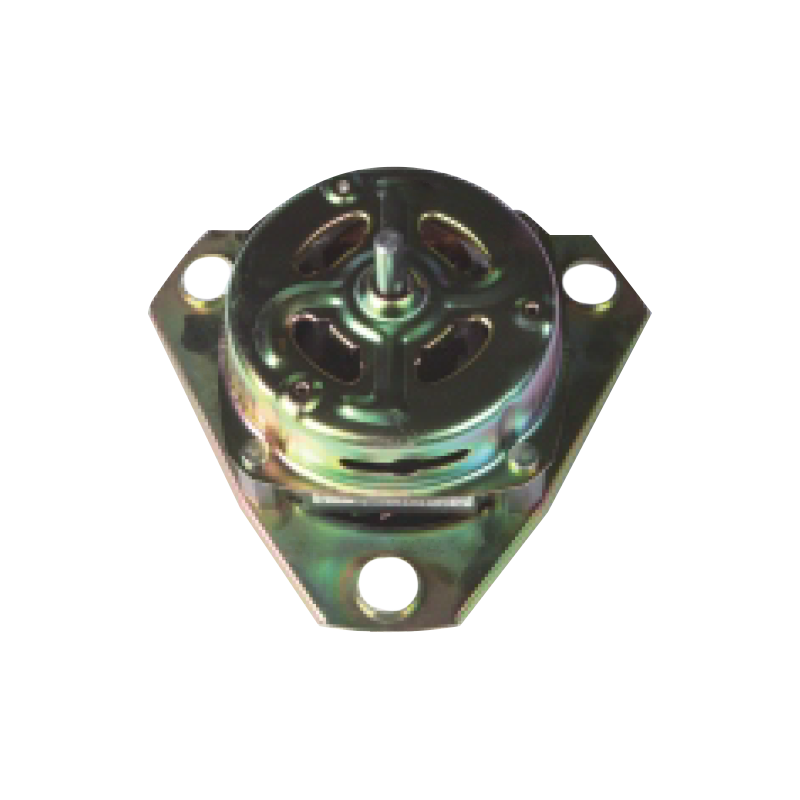
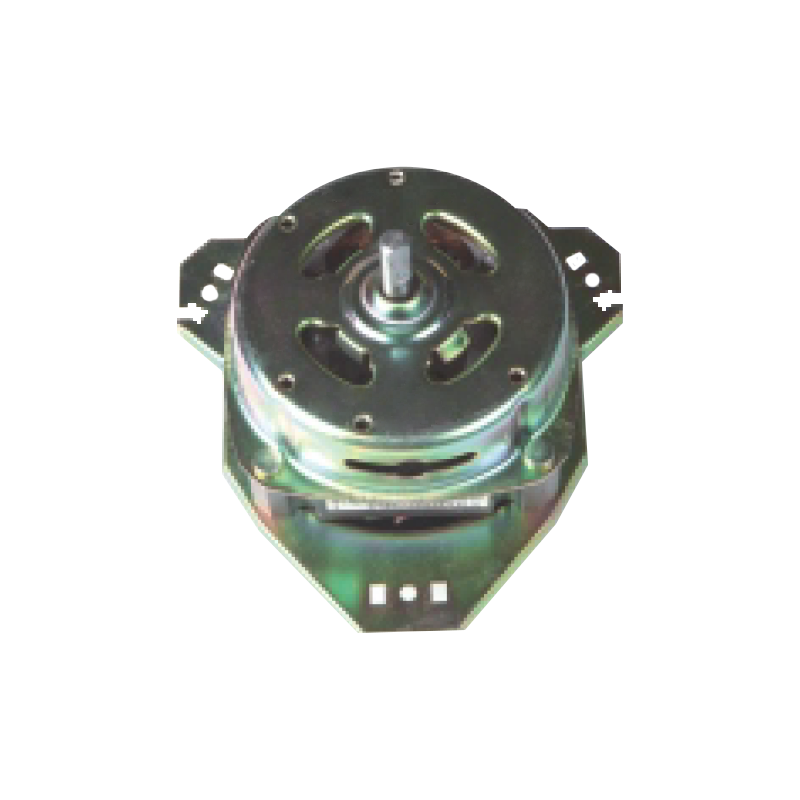
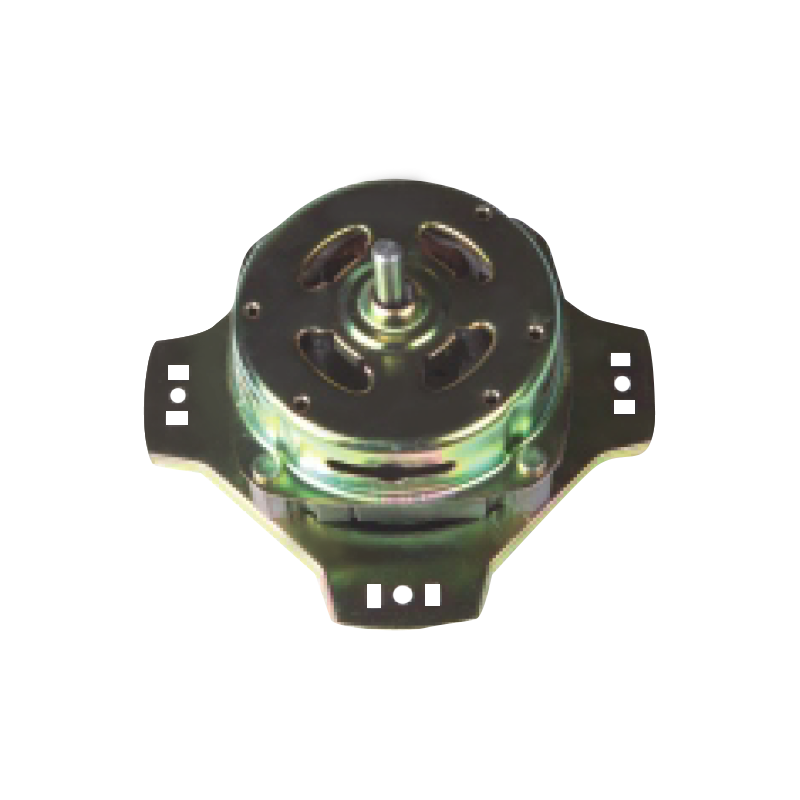
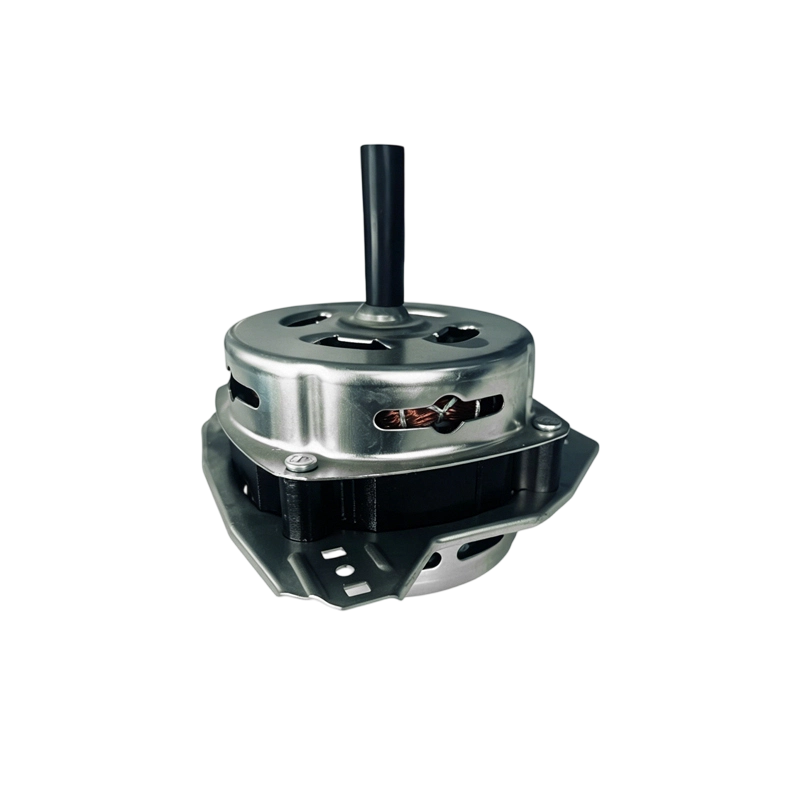
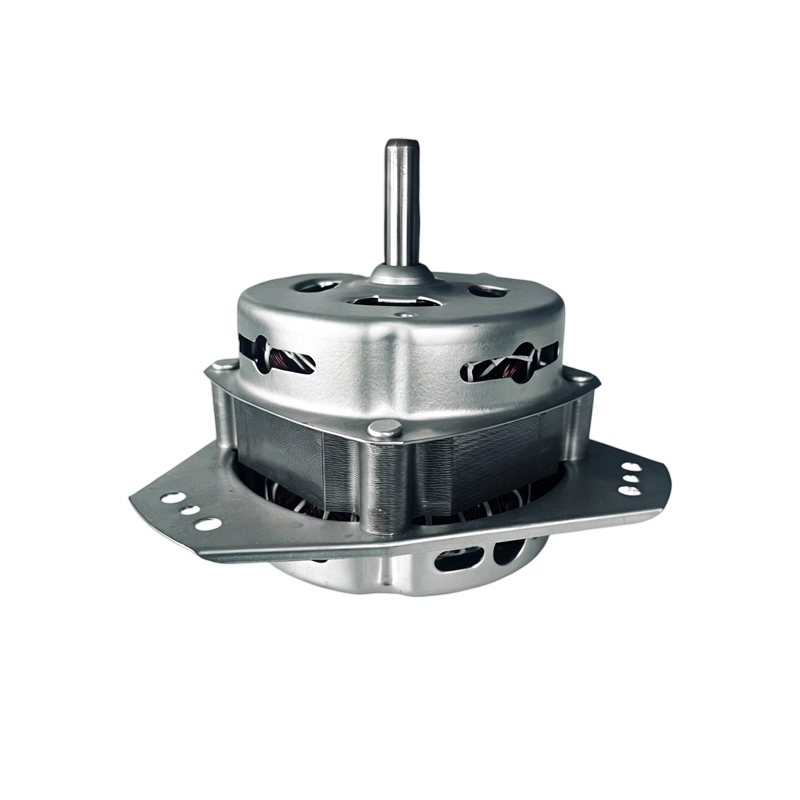
Anhui Juhong Electrical Technology Co., Ltd. covers an area of 12,000 square meters, with fixed assets of 50 million RMB and over 150 employees, including more than 20 technical personnel and 2 professional engineers. We are professional Spin Motor Manufacturer and Custom Spin Motor factory in China.
Juhong Motor is equipped with comprehensive production facilities, featuring advanced domestic industry-leading equipment such as multiple closed double-point high-speed precision presses, automatic winding insertion machines, electronic aluminum casting machines, and other production equipment under advanced production conditions. The annual production capacity reaches 4 million household motors and 500,000 other types of motors.
In addition, the company scientifically implements TQM and 6S on-site management models. It is one of the first electromechanical manufacturing enterprises in the industry to achieve ISO9001, ISO14001, and OHS18001 certifications, while also obtaining mandatory certifications such as CCC, UL, CE, and TUV. The company holds 9 utility model patents and 2 invention patents. Over the years, the "Juhong Brand" series of motors have achieved a 100% pass rate in spot checks conducted by national, provincial, and municipal quality inspection centers, with technical performance reaching industry-leading levels, earning widespread customer acclaim and praise.
Anhui Juhong Electrical Technology Co., Ltd. possesses strong technical capabilities, sophisticated equipment, advanced manufacturing processes, and comprehensive testing methods. The company applies new technologies and new processes to develop new projects. To meet the demands of both domestic and international markets, all employees will continue to uphold the corporate spirit of "excellence in craftsmanship" and "quality-driven success," striving to provide society with "first-class products, first-class quality, and first-class service." We sincerely welcome domestic and international customers, as well as partners from all sectors, to engage in sincere cooperation for mutual development!
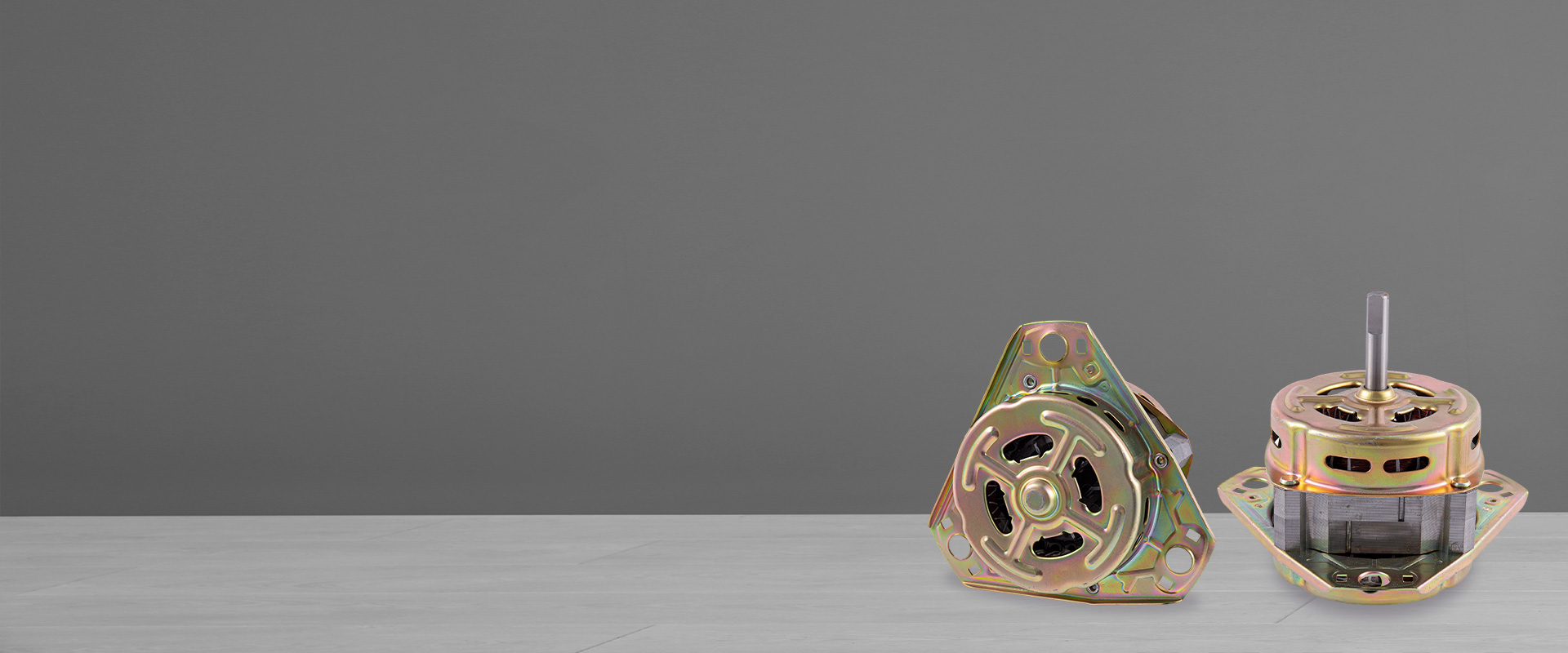
Spin Motor Manufacturer
The dehydration motor is used in the high-speed dehydration phase of washing machines. Its core task is to drive the drum to rotate at high speeds, removing moisture from clothes through centrifugal force. This motor needs to support rapid acceleration to the rated speed and maintain smooth operation, with strict requirements for dynamic balance accuracy and bearing structure. Typically, high-speed design three-phase asynchronous motors or brushless DC motors are used, which have strong overload capability and heat dissipation performance. The motor is usually equipped with a speed feedback system to ensure precise speed control, and a damping device is used to reduce vibration transmission during high-speed operation, ensuring the overall stability of the machine.
Anhui Juhong Electrical Technology Co., Ltd. manufactures washing machine motors at No.6 Wuyashan Road, Langxi Economic Development Zone, Xuancheng City, Anhui, China. Within that range, our Spin Motor manufacturer line supplies the dehydration drives that turn the spin basket or drum during extraction, the stage that takes the bulk of the water out of the load.
Every unit in this group belongs to the wider Washing Machine Motor family, so the spin drive, its mounting interface and its electrical components are specified together against one approved drawing rather than assembled from unrelated sources.
- 12,000 m2 plant with fixed assets of RMB 50 million
- 150+ employees, 20+ technical personnel and 2 senior engineers
- Annual capacity of 4.5 million units: 4 million household motors plus 500,000 other motors
- Closed double-point high-speed precision presses, automatic winding insertion machines and electronic aluminium casting machines
- ISO9001, ISO14001 and OHSAS18001 management systems; CCC, UL, CE and TUV certification; 9 utility model patents and 2 invention patents
What the Spin Motor Has to Do
Extraction is a transient duty. The motor accelerates a loaded basket from rest to rated speed inside a defined ramp time, holds that speed while water leaves the textiles, then decelerates against the remaining inertia. Unbalance grows as the load redistributes, so torque peaks arrive while the rotor is already loaded and warm.
- Acceleration torque. Basket, water and textile inertia must be overcome during spin-up; a steady-state rating alone does not cover it.
- Dynamic balance. Rotor balance, shaft straightness and bearing clearance set the vibration level at extraction speed.
- Damping. Mount geometry and rubber elements decide how much vibration reaches the cabinet and the floor.
- Speed control. Programmed machines use a speed signal so the controller holds the set point and aborts a badly unbalanced spin.
- Thermal endurance. Starts per hour, airflow around the motor and enclosure temperature define the usable duty cycle.
- Moisture exposure. Mounting position decides whether a splash-resistant enclosure and moisture-tolerant insulation are required.
Spin Motor Range We Manufacture
Thirteen spin motor types sit in this group. Each one is aimed at a machine architecture and a drive arrangement, so the range covers twin-tub, semi-automatic, top-load automatic and front-load drum washers, including humid-mount and commercial laundry duty.
| Range item | Machine architecture | Construction and configuration focus |
|---|---|---|
| AC Washing Machine Spin Motor | Twin-tub and semi-automatic washers | Single-phase AC supply, stator winding, damped mounting |
| Auto Washing Machine Spin Dry Motor | Automatic washers with a dedicated extraction drive | Fixed-speed spin circuit, rotor balance, bearing arrangement |
| Twin-Tub Washing Machine Spin Motor | Twin-tub washers with a separate spin tub | Basket drive, top-mount bracket, pulley interface |
| Twin-Tub Spin Motor with Copper Winding | Twin-tub and semi-automatic washers | Copper stator for thermal headroom in longer spin cycles |
| Semi-Automatic Washing Machine Spin Motor | Semi-automatic washer platforms | Timer-switched spin stage, capacitor specified with the model |
| Semi-Automatic Electric-Powered Spin Motor | Semi-automatic machines with electric drain and spin | Combined electrical control interface, matched wiring set |
| Fully Automatic Spin Motor with Copper Winding | Pulsator and top-load automatic washers | Copper stator, high-cycle duty, speed feedback |
| Brushless DC Washing Machine Spin Motor | Inverter-driven automatic and drum washers | Electronic commutation, speed sensing, controller interface |
| Drum Washing Machine Spin Motor | Front-loading drum washers | High extraction speed, belt or direct drive, low vibration |
| Waterproof Washing Machine Spin Motor | Machines with the motor in a humid or splash zone | Sealed enclosure, moisture-resistant insulation and lead exit |
| Waterproof Durable Rotary Spin Motor | Long-cycle and heavy-use washers | Reinforced enclosure and bearing arrangement |
| Electric Hotel Washing Machine Spin Motor | Commercial laundry and hotel washing equipment | Extended duty cycle, service access, replaceable components |
| Aluminum Wire Washing Machine Spin Motor | Cost-sensitive high-volume production | Aluminium stator winding where duty cycle and ambient allow |
Copper and Aluminium Winding Options
Both winding materials appear in this range, and the choice follows duty cycle and ambient rather than price alone. A winding is not interchangeable between two otherwise identical motors: slot geometry, wire diameter and fill factor are designed for the material actually used.
- Copper. Lower conductor resistance at equal geometry, so temperature rise is easier to control during long extraction cycles and in warm cabinets.
- Aluminium. Reduced material cost for high-volume programmes where the spin sequence is shorter and thermal margin is comfortable.
- Matching. Capacitor rating, protector setting and drive parameters are fixed against the final winding, not carried over from another build.
Configuration Variables We Fix Before Production
- Supply voltage, frequency and phase, and whether the motor runs from a capacitor circuit or an electronic drive
- Stator stack length, winding material, wire diameter and insulation system
- Shaft diameter, extension length, flat, keyway or thread, and pulley fit
- Mounting bracket pattern, foot hole spacing and damping element
- Bearing type, preload and lubrication for the expected speed band
- Thermal protection type and trip point
- Speed feedback method or the absence of one for fixed-speed machines
- Lead length, terminal type, connector and earthing arrangement
- Direction of rotation, marking, nameplate data and packing method
Matching Speed, Torque and Inertia to the Machine
Shaft power follows P = 2 pi n T / 60, so a torque figure only means something together with the speed at which it is produced. The useful check is whether the motor can deliver the required torque at the basket speed during acceleration and unbalance peaks, not whether its nameplate wattage resembles another model.
On a belt-driven machine, inertia reflected to the motor shaft changes with the square of the speed ratio, and the quoted speed must be stated for the motor shaft or for the basket. The Wash Motor in the same washer faces frequent reversals at low speed, while the spin drive faces one long acceleration followed by sustained extraction and braking.
Information We Use to Configure Your Solution
| Project input | What the specification has to state | How it changes the build |
|---|---|---|
| Machine architecture | Twin-tub, semi-automatic, top-load automatic or front-load drum | Sets drive arrangement, speed band and mount style |
| Driven assembly | Basket or drum diameter, pulley diameters, belt type, transmission ratio | Fixes reflected inertia and required shaft torque |
| Spin sequence | Extraction speed, ramp time, hold time, number of spin steps | Defines peak and continuous torque demand |
| Load and unbalance | Rated textile load, expected unbalance, distribution logic | Sets torque margin and damping requirement |
| Electrical supply | Voltage, frequency, phase and destination market | Determines winding turns, stack length and capacitor or controller |
| Control interface | Timer, speed feedback, inverter or programme controller | Defines lead-out, sensing and connector configuration |
| Environment | Mount position, humidity, ambient temperature, airflow | Indicates moisture protection and thermal design margin |
| Mechanical interface | Shaft diameter and length, flat or key, thread, bracket hole pattern | Frozen on the drawing before tooling and first article |
| Duty and volume | Starts per hour, daily cycles, annual quantity, packing preference | Drives production planning, marking and packing method |
| Compliance target | Requirements of the destination market | Guides which of our CCC, UL, CE or TUV approvals applies |
Manufacturing, Testing and Quality Control
Closed double-point high-speed precision presses form the stator and rotor laminations, automatic winding insertion machines build the stator, and electronic aluminium casting machines produce the rotor cages. That equipment base, together with TQM and 6S site management, supports an annual output of 4.5 million units with consistent dimensions between batches.
Quality control follows the motor from development to finalisation, material procurement to production control, and shipment inspection to after-sales service. Final acceptance for each model is set by the approved drawing and covers direction of rotation, no-load current and speed, insulation condition and dielectric strength, vibration and noise at operating speed, and a short run-in before packing.
- ISO9001, ISO14001 and OHSAS18001 management systems across the operation
- CCC, UL, CE and TUV certification held as an electromechanical manufacturing enterprise
- 9 utility model patents and 2 invention patents
- 100 percent pass rate in spot checks by national, provincial and municipal quality inspection centres
Installation, Commissioning and Serviceability
- Check pulley alignment and belt tension at the specified value; side load on the shaft shortens bearing life.
- Do not strike the shaft or apply axial force during pulley and basket fitting.
- Torque the damping mounts evenly so vibration is not transmitted through a compressed or loose element.
- Wire according to the motor diagram, matching the capacitor or drive parameters to the winding actually supplied.
- Route leads away from water paths and keep the ventilation path around the frame clear.
- Service items are the bearings, capacitor, thermal protector and mounting rubbers, all replaceable without special tooling.
Where a machine uses electronic speed control, the commutated option is the brushless DC washing machine spin motor, supplied with the sensing and lead-out arrangement required by the appliance controller.
Frequently Asked Questions
What separates a spin motor from a wash motor?
The spin motor runs one long acceleration to extraction speed and then holds it, while the wash motor reverses repeatedly under load at low speed. The two duty profiles lead to different rotor balance, bearing and thermal decisions, which is why we build them as separate ranges.
Which spin motor suits a twin-tub washer?
Twin-tub platforms use the twin-tub spin motor with a top-mount bracket and pulley interface, available with copper or aluminium winding. The deciding inputs are basket diameter, pulley ratio, target speed and the number of spin cycles per wash day.
Can the same model be supplied with copper instead of aluminium winding?
The stator is redesigned for the conductor rather than substituted, because slot fill and wire diameter differ. Copper versions are used where temperature rise during long extraction cycles matters; aluminium versions suit high-volume builds with shorter spin sequences.
How is motor speed matched to the drum or basket speed?
We confirm whether the required figure refers to the motor shaft or the basket, then apply the pulley ratio and reflect the load inertia back to the motor shaft. Direct-drive arrangements skip that step and require the torque at the basket speed itself.
What data should accompany a spin motor enquiry?
Machine type, basket or drum diameter, transmission ratio, extraction speed and ramp time, voltage and frequency, mounting and shaft dimensions, and expected annual volume. With those inputs we can return a drawing-level configuration and quotation for the correct model in the range.
Are waterproof versions available for humid mounting positions?
Yes. The waterproof spin motor and the waterproof durable rotary spin motor use a sealed enclosure with moisture-resistant insulation and a protected lead exit. They are specified when the motor sits close to the tub or in a splash-exposed cabinet zone.
No.6 Wuyashan Road, Langxi Economic Development Zone, Xuancheng City, Anhui, China
+86-563-7370081
