
 English
 中文简体







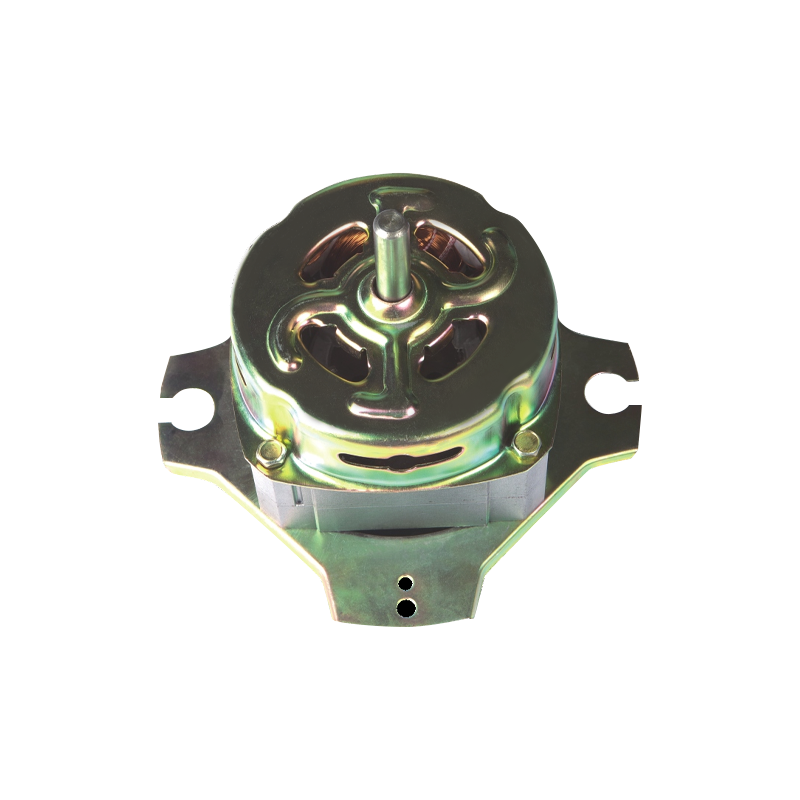
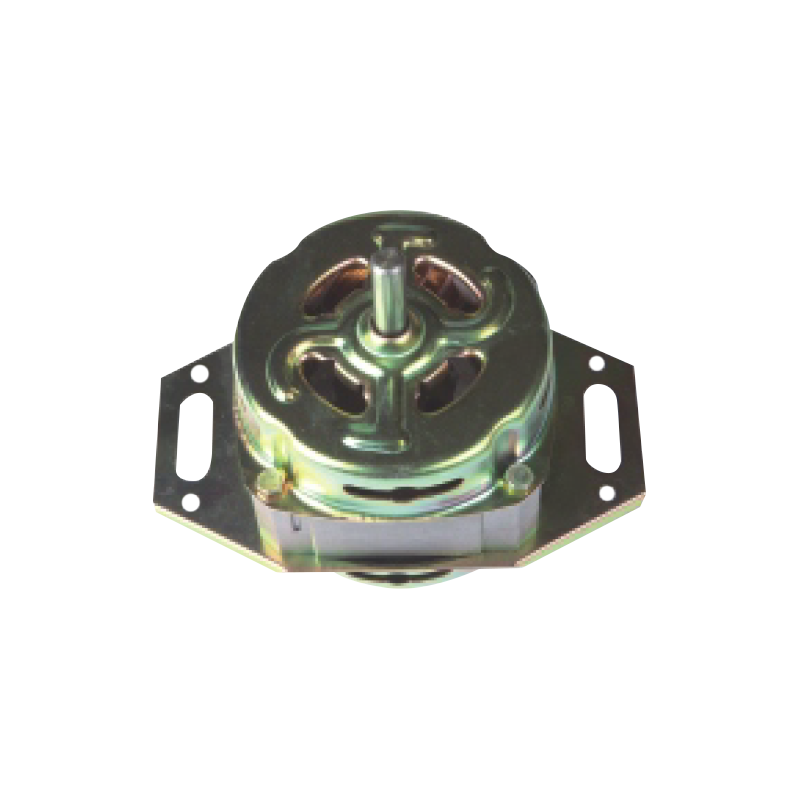
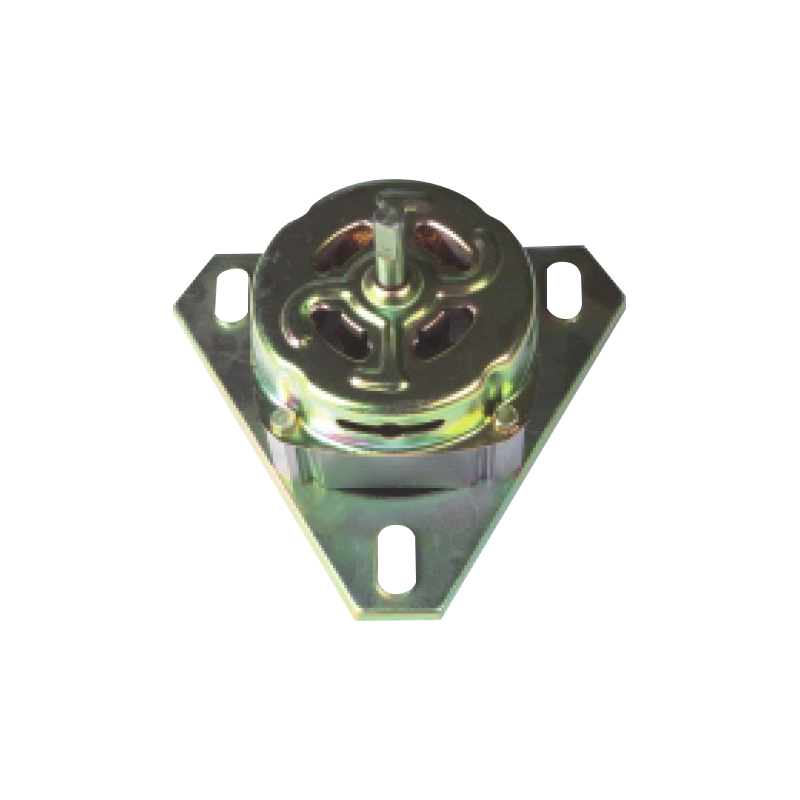
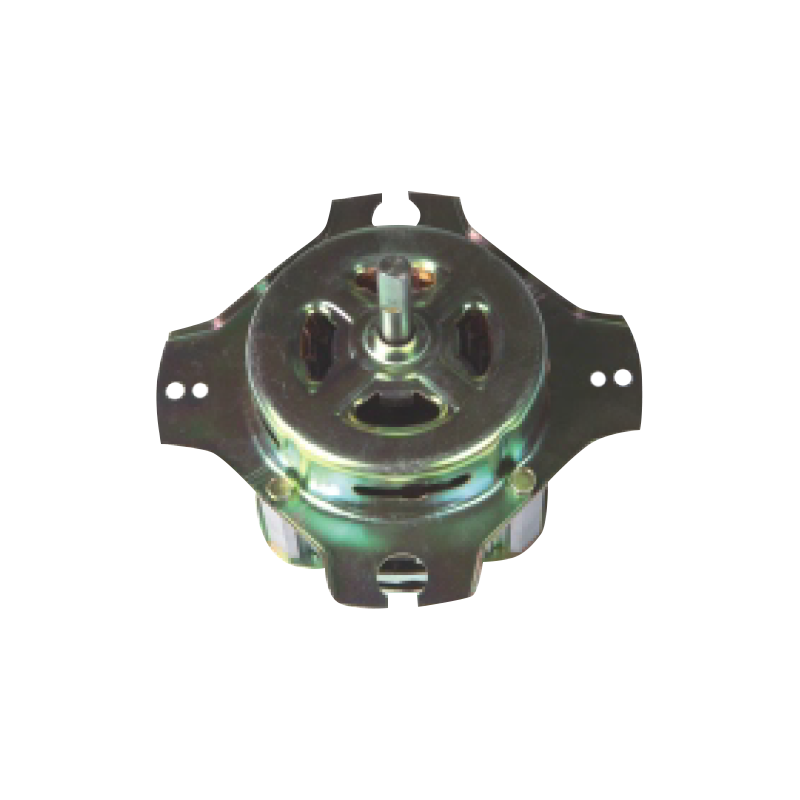
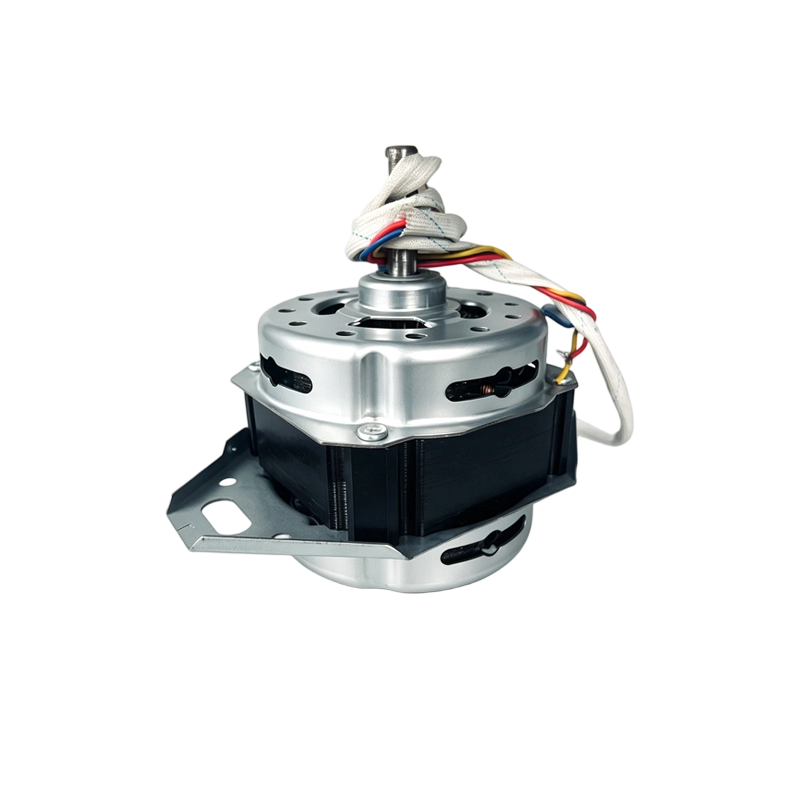
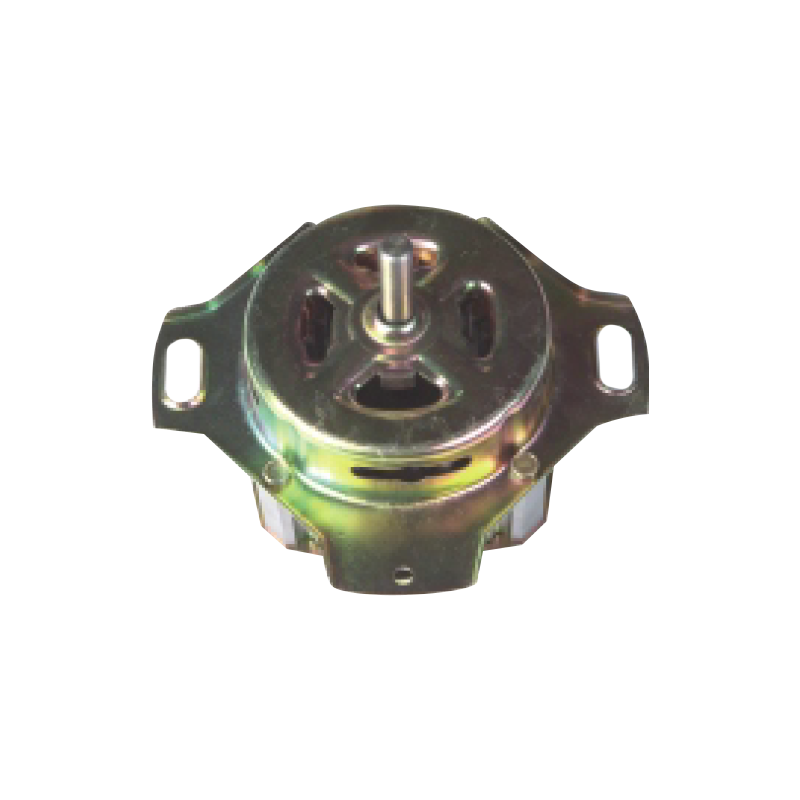
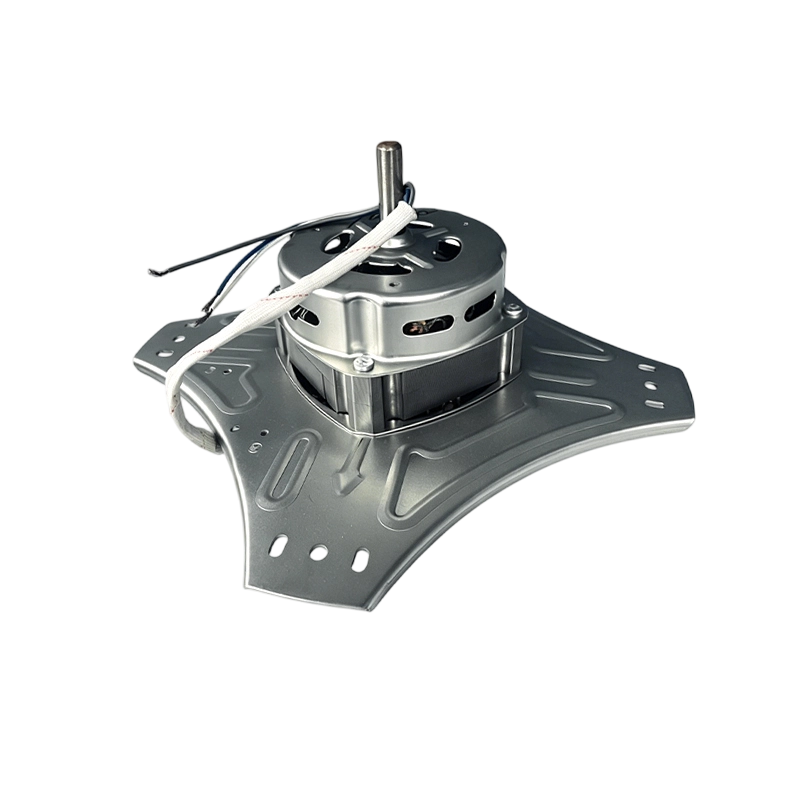
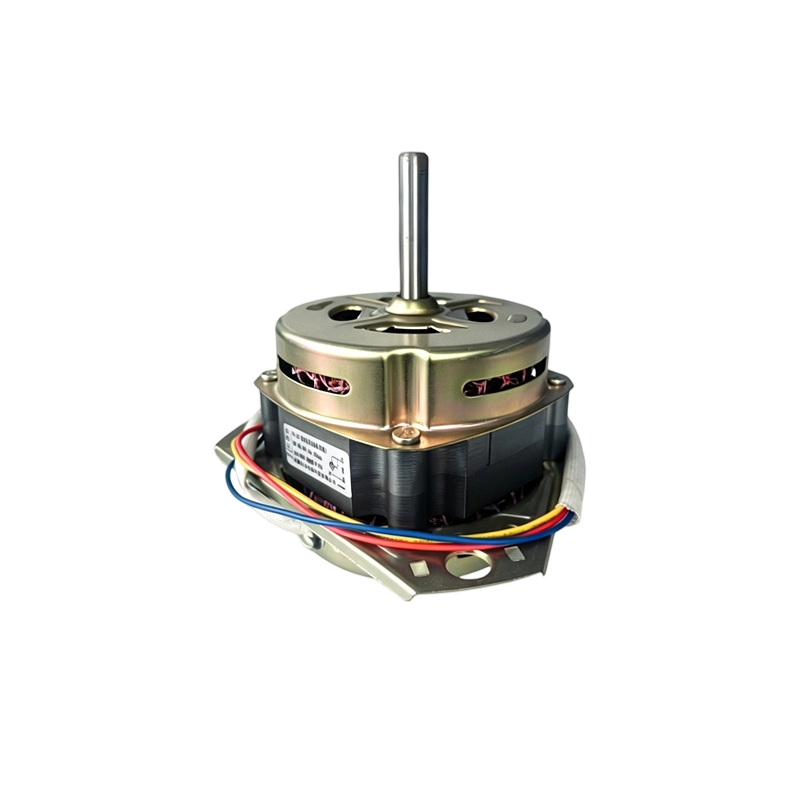
Anhui Juhong Electrical Technology Co., Ltd. covers an area of 12,000 square meters, with fixed assets of 50 million RMB and over 150 employees, including more than 20 technical personnel and 2 professional engineers. We are professional Wash Motor Manufacturer and Custom Wash Motor factory in China.
Juhong Motor is equipped with comprehensive production facilities, featuring advanced domestic industry-leading equipment such as multiple closed double-point high-speed precision presses, automatic winding insertion machines, electronic aluminum casting machines, and other production equipment under advanced production conditions. The annual production capacity reaches 4 million household motors and 500,000 other types of motors.
In addition, the company scientifically implements TQM and 6S on-site management models. It is one of the first electromechanical manufacturing enterprises in the industry to achieve ISO9001, ISO14001, and OHS18001 certifications, while also obtaining mandatory certifications such as CCC, UL, CE, and TUV. The company holds 9 utility model patents and 2 invention patents. Over the years, the "Juhong Brand" series of motors have achieved a 100% pass rate in spot checks conducted by national, provincial, and municipal quality inspection centers, with technical performance reaching industry-leading levels, earning widespread customer acclaim and praise.
Anhui Juhong Electrical Technology Co., Ltd. possesses strong technical capabilities, sophisticated equipment, advanced manufacturing processes, and comprehensive testing methods. The company applies new technologies and new processes to develop new projects. To meet the demands of both domestic and international markets, all employees will continue to uphold the corporate spirit of "excellence in craftsmanship" and "quality-driven success," striving to provide society with "first-class products, first-class quality, and first-class service." We sincerely welcome domestic and international customers, as well as partners from all sectors, to engage in sincere cooperation for mutual development!
Wash Motor Manufacturer
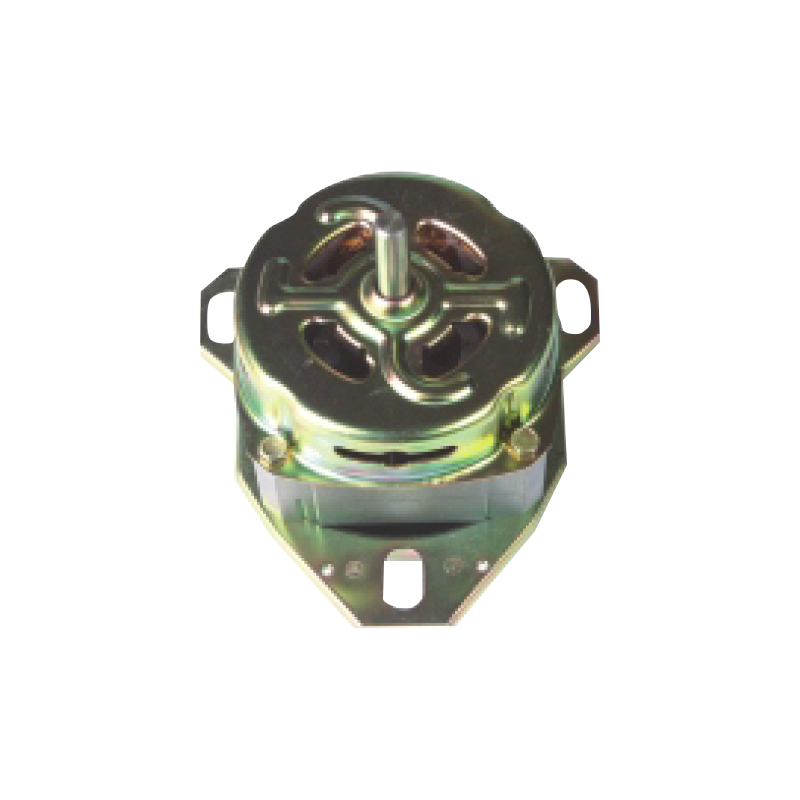
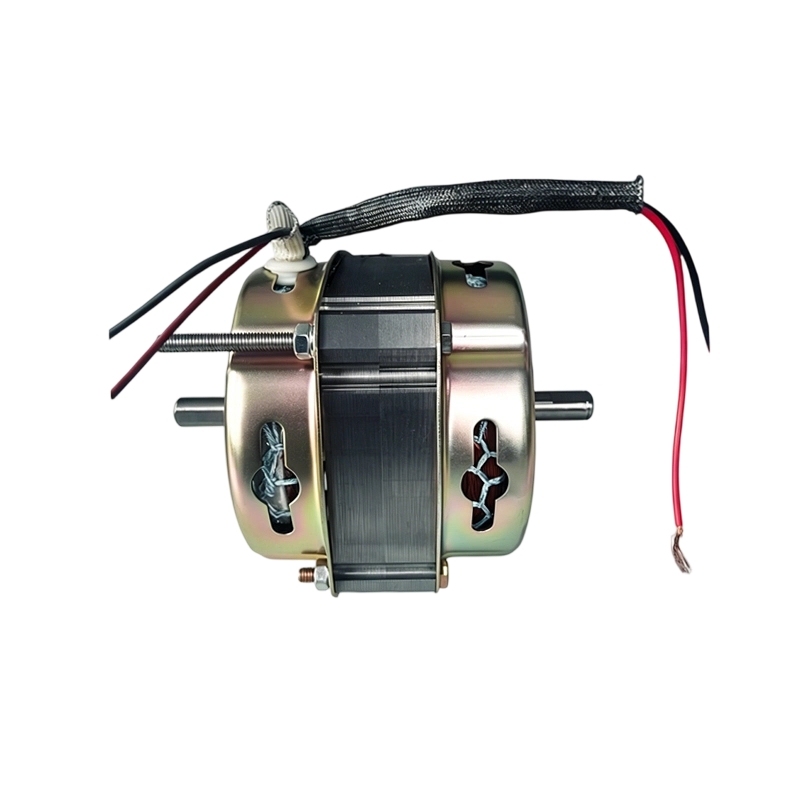
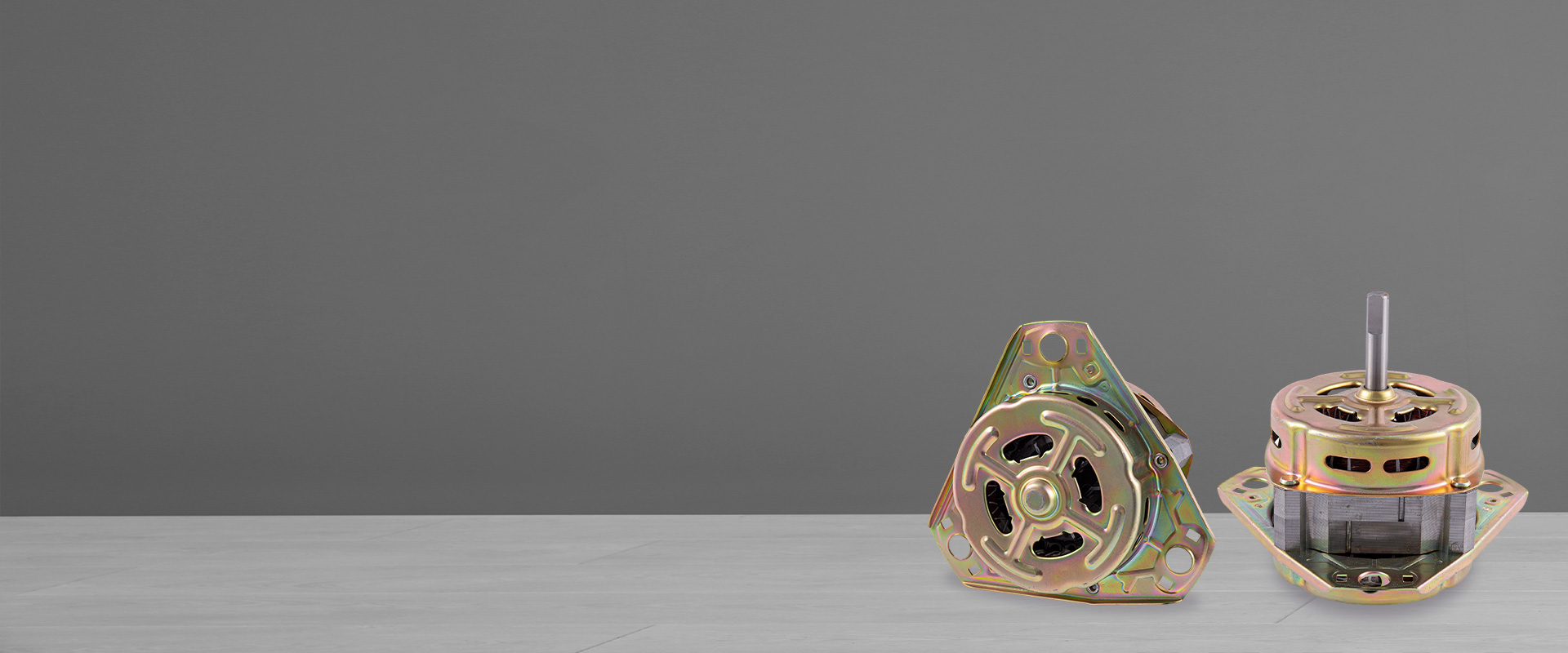
The washing motor is specifically designed for the laundry washing stage. Its core function is to drive the inner drum to rotate forward and reverse in a specific pattern, simulating the hand-washing effect. The motor needs to have high starting torque and smooth speed transition characteristics to prevent clothes from tangling and reduce mechanical wear.
Generally, capacitor-run single-phase induction motors or permanent magnet synchronous motors are used. These motors rely on stable torque output and excellent speed control performance to achieve flexible switching between strong and gentle washing modes. The motor windings and insulation materials undergo special treatment to provide good moisture resistance and detergent corrosion resistance, ensuring long-term reliable operation.
Wash Motor Range from Anhui Juhong Electrical Technology Co., Ltd.
Anhui Juhong Electrical Technology Co., Ltd. is a Wash Motor manufacturer based in the Langxi Economic Development Zone, Xuancheng City, Anhui, China. We design and produce the drive motors that turn the inner drum, pulsator or agitator during the laundry washing stage, for twin-tub, top-load and front-load washing machine platforms. Our range covers capacitor-run single-phase induction motors, permanent magnet synchronous motors and direct-drive units, supplied as standalone motors or as motor and control assemblies.
The washing stage is transient duty. The motor reverses repeatedly, must develop starting torque while the rotor crosses zero, and must modulate speed smoothly so textiles do not tangle and mechanical parts are not over-stressed. Wash motor windings and insulation systems are built to resist cabinet humidity and detergent carry-over, and we match the drive to the washer architecture rather than to a single nameplate wattage.
Our Wash Motor Range and Where Each Type Fits
Every model in our wash motor range is positioned against a specific driven assembly and wash program. The table below summarises the subtypes we build and the integration points that decide the configuration.
| Wash motor type | Typical architecture | Duty focus | Configuration notes |
|---|---|---|---|
| Washing Machine Waterproof Motor | Top-load and twin-tub tubs with high splash exposure | Humidity and detergent resistance | Sealed lead exit, moisture-resistant varnish, protected terminal block |
| Drum Washing Machine Motor | Belt-driven front-load drum | Low-speed reversing, distribution, spin-up | Pulley ratio, reflected inertia, belt tension and motor mount alignment |
| DC Washing Machine Washing Motor | Electronically controlled variable-speed wash drives | Wide speed band and controlled acceleration | Winding matched to the inverter, speed feedback, harness and connector |
| Portable Washing Machine Motor | Compact portable and mini washers | Intermittent light load, small envelope | Compact frame, simple bracket, low-noise bearing selection |
| High-Torque Washing Machine Motor | Impeller and pulsator top-loaders with heavy textile loads | Starting and reversal torque | Stack length, conductor section, capacitor rating, locked-rotor behaviour |
| Semi-Automatic Washing Machine Motor | Twin-tub wash side | Frequent starts and reversals | Shaft or coupler interface, direction of rotation, thermal margin |
| Energy-Saving Washing Machine Wash Motor | Efficiency-focused automatic platforms | Low loss across the wash operating region | Lamination grade, air gap control, winding fill, drive pairing |
| Washing Machine Spin Motor | Platforms that share a frame family across wash and extraction | Sustained speed with uneven load | Bearing selection, balance, unbalance abort and restart behaviour |
| Universal Automatic Washing Machine AC Motor | Automatic washers using an AC wash drive | Fixed or tapped-speed wash cycles | Capacitor rating, lead configuration, terminal and connector standard |
| Rotary Fully Automatic Direct-Drive Washing Machine Motor | Beltless drum and agitator drives | High torque at low drum speed | Rotor position sensing, low-speed torque ripple, controller co-design |
Wash motors sit alongside our Washing Machine Motor families, and we quote wash and Spin Motor requirements together when a platform uses one motor per function.
Application Fit by Washer Architecture
- Twin-tub washers. The wash side uses its own drive and reverses at low speed with a fabric load present. Capacitor-run single-phase induction motors are common here, chosen for repeatable starting torque and simple switching.
- Top-load impeller and pulsator washers. Frequent direction changes and higher textile drag favour higher-torque designs and a thermal margin sized for the number of starts per hour.
- Front-load drum washers. The wash motor must hold low-speed reversal, distribute the load, then hand over to acceleration for extraction. Belt-driven and direct-drive layouts place different torque and sensing demands on the same motor rating.
- Portable washers. Small frame sizes, low duty and simple mounting dominate; motor noise and bearing life matter more than peak torque.
- Direct-drive platforms. Torque is delivered at the drum, so low-speed torque quality, position sensing and controller behaviour are settled with the motor rather than after it.
Drive Technology, Windings and Moisture Protection
We build wash motors around three established drive families: capacitor-run single-phase induction motors for fixed or tapped-speed washers, permanent magnet synchronous and electronically commutated designs for variable-speed control, and direct-drive motors for beltless platforms. Winding material, conductor section and lamination grade are selected against the operating profile, not against a catalogue wattage, because a motor that is efficient at one steady speed may spend most of a real wash program in low-speed or transient operation.
Moisture protection is treated as a system: varnish and insulation class, lead exit sealing, terminal insulation and the corrosion resistance of exposed steel parts. When the wash tub shares a housing with the motor, we also agree on drain paths and splash shielding at the mounting interface.
Specifications We Confirm Before Quotation
- Rated voltage and frequency, plus the market-specific supply variant.
- Shaft power and torque stated at motor shaft and, separately, at the drum or pulsator.
- Speed band for wash, distribution and any shared extraction duty.
- Continuous torque, short-duration peak torque, locked-rotor behaviour and permissible starts per hour.
- Insulation class, varnish system and required degree of protection against water ingress.
- Mounting footprint, shaft diameter, key or flat, pulley or coupler interface and end-play limits.
- Lead length, connector type, terminal orientation and capacitor mounting where applicable.
- Control interface: triac switching, inverter output, speed feedback or rotor position sensing.
- Acoustic and vibration targets at the appliance level.
Production Capacity, Equipment and Quality Control
Our plant covers 12,000 square metres with fixed assets of RMB 50 million and more than 150 employees, including a technical team of over 20 and 2 senior engineers. Annual capacity reaches 4.5 million units, split between 4 million household motors and 500,000 other motor types. Production relies on closed double-point high-speed precision presses, automatic winding insertion machines and electronic aluminium casting machines, supported by TQM and 6S on-site management.
Quality management runs from product development and material procurement through production control, shipment inspection and after-sales service under ISO9001, ISO14001 and OHSAS18001 systems, with CCC, UL, CE and TUV compliance for mandatory markets. The company holds 11 patents, and Juhong brand motors have maintained a 100 percent pass rate in national, provincial and municipal quality inspection spot checks.
Controls, Automation and Line Integration
Where a washer uses an electronic drive, we configure the motor winding, magnet grade and feedback method around the controller the platform already specifies. For AC platforms, the capacitor value, switching scheme and reversal logic are agreed with the appliance control board so that torque at zero speed remains predictable in production.
- Motor and controller matched as one drive package, or motor supplied to an existing inverter interface.
- Speed feedback and rotor position sensing options for variable-speed wash profiles.
- Connector, harness and terminal standards fixed for line-side plug-in assembly.
- No-load and loaded test data recorded for incoming inspection at the appliance plant.
- Integrated-machine validation for unbalanced loads, spin-up behaviour and thermal rise in the cabinet.
Information We Use to Configure Your Solution
A wash motor proposal is prepared from the driven assembly and the wash program, not from a replacement part number alone. The following inputs let us fix winding, frame, shaft and interface on the first pass.
| Project input | Why we need it | Typical form |
|---|---|---|
| Driven assembly | Drum, pulsator or agitator size sets the torque base | Drawing or dimensioned sketch |
| Inertia and transmission ratio | Decides acceleration torque and reflected load at the shaft | Mass, pulley diameters, belt type |
| Wash and spin duty profile | Sets thermal margin, starts per hour and reversal count | Program timing table |
| Electrical supply | Fixes winding turns, capacitor and insulation coordination | Voltage, frequency, market variant |
| Cabinet environment | Determines moisture, varnish and sealing treatment | Splash exposure, drain layout |
| Mounting and shaft interface | Controls fit, alignment and vibration | Foot pattern, shaft detail, coupler |
| Connector and harness standard | Keeps line assembly and service replacement consistent | Terminal type, lead length, sample |
| Control interface | Matches motor to triac switching, inverter or direct drive | Controller specification or sample board |
| Compliance market | Aligns certification and documentation with the destination | Target market and standards |
| Volume and ramp | Drives tooling, inspection plan and packaging scope | Annual quantity, peak month |
Automatic wash machine programmes that share tooling with a wash motor platform can be reviewed through our Automatic Wash Machine Motor range when the same housing and shaft family is reused.
Installation, Acceptance and Maintenance
- Mounting bolts torqued to the agreed value, with belt tension and pulley alignment checked on belt-drive assemblies.
- Rotation direction verified before the tub is loaded, using the connector wiring and capacitor arrangement supplied.
- First-run acceptance includes no-load current, speed stability, reversal response, thermal rise and a loaded wash cycle.
- Service access planned around the lead exit and connector so a motor can be replaced without disturbing the tub seal.
- Spare motors and motor spare parts supported from the same production documentation used for the original build.
- Packaging is defined with the customer for the transport mode, including carton, pallet and moisture barrier where required.
Frequently Asked Questions
What is the difference between a wash motor and a spin motor?
A wash motor reverses repeatedly at low speed while textiles are present, so starting torque, reversal and thermal margin dominate the design. A spin motor accelerates to a sustained extraction speed and must cope with uneven loads. We size them separately because the duty cycles are different even when the frames look similar.
Can you supply the wash motor together with its controller?
Yes. For variable-speed platforms we match winding, magnet grade, feedback method and connector to the controller specification, and we can supply motor and control as one drive package. Where the appliance platform already defines an inverter, we configure the motor to that interface.
Which wash motor suits a twin-tub or semi-automatic washer?
Twin-tub wash drives normally use capacitor-run single-phase induction motors, with shaft or coupler interfaces dimensioned to the gearbox or pulsator. We confirm the number of starts per hour and the fabric load before fixing the stack length and capacitor value.
Do you build waterproof wash motors?
Our Washing Machine Waterproof Motor is designed for tubs with high splash exposure. Insulation, varnish, lead exit sealing and terminal protection are selected for the humidity and detergent carry-over expected in the cabinet, and the protection method is agreed during configuration.
No.6 Wuyashan Road, Langxi Economic Development Zone, Xuancheng City, Anhui, China
+86-563-7370081
