
 English
 中文简体

Industry News
How Safety Lid Switches and Friction Brake Assemblies Prevent Spin-Tub Accidents
A spin tub turns electrical energy into stored mechanical energy. When a lid or door opens, the goal is not merely to switch off the motor. The goal is to prevent access to a moving mass, remove drive power, absorb inertia, and keep the tub from restarting until it is safe. Safety lid switches and friction brake assemblies form two links in that stop chain.
This article explains how each part works, how their timing affects accident prevention, and what OEM teams should verify when specifying or servicing spin-tub systems.
Safe spin control is a sequence, not a single component: detect access, cut power, apply friction, verify stop, and only then permit entry.
Content
- 1 The Spin-Tub Hazard and the Need for Layered Protection
- 2 How a Safety Lid Switch Interrupts the Spin Circuit
- 3 How Friction Brake Assemblies Absorb Spin Energy
- 4 Coordinating Switch, Brake, and Motor Behavior
- 5 Design and Validation Checks for OEM Washer Programs
- 6 Maintenance and Field Diagnostics
- 7 Sourcing the Stop Chain as a Complete System
- 8 Frequently Asked Questions
- 9 Keeping Spin-Tub Safety Predictable
The Spin-Tub Hazard and the Need for Layered Protection
A loaded spin tub can carry substantial rotational energy, especially in a top-load washer with wet laundry. If the lid opens during the spin cycle, clothing, a hand, or a loose item can meet a moving mass. A switch alone reduces electrical drive but cannot instantly stop inertia. A brake alone cannot detect access. Layered protection closes both gaps.
Good design treats the stop chain as a system: sensing, power interruption, energy dissipation, and verification. This approach also addresses failure modes such as welded relay contacts, a stuck brake linkage, or a lid switch that is mechanically worn.
How a Safety Lid Switch Interrupts the Spin Circuit
The lid switch is an access interlock. In a common top-load architecture, a plunger or magnetic actuator changes state when the lid closes. The control board permits spin only when the switch reports closed; when the lid opens, the contact opens or the signal drops, and the control removes power from the spin motor or motor relay.
Important details include contact gap, terminal retention, actuator overtravel, and resistance to damp conditions. A switch that opens late, sticks closed, or is bypassed turns a controlled shutdown into an unsafe coast. On some platforms, the same switch also signals the control to apply the brake or inhibit restart.
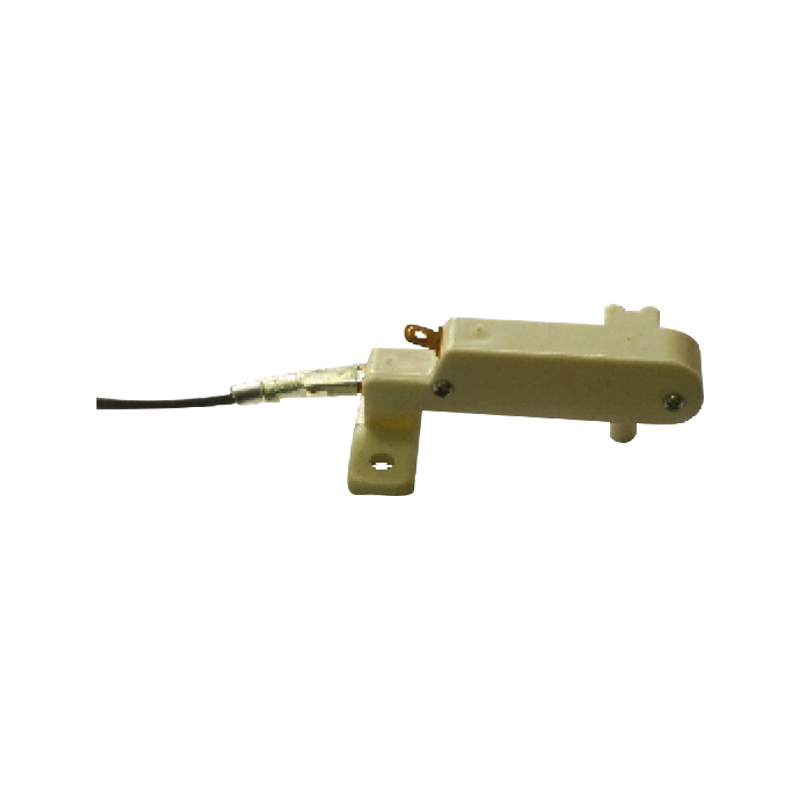 Washing Machine Lid Safety Switch RHPT-10A replacement lid safety switch for washing machines, intended to match actuator geometry and switching logic so door-closed operation and shutdown response remain consistent.View Product →
A replacement lid safety switch should match the original actuator geometry and switching logic. Correct fit is part of the safety function, not a cosmetic detail.
How Friction Brake Assemblies Absorb Spin Energy
A friction brake assembly converts rotation into heat through a lined friction surface pressed against a drum, hub, or clutch surface. Depending on the washer design, the brake may act on the motor shaft, the transmission, or the spin-tub drive. In many safety-oriented arrangements, spring force applies the brake and an electrical or mechanical release allows normal spinning. If power is lost, the spring returns the brake toward engagement.
Brake performance depends on lining area, clamp force, drum condition, heat capacity, and freedom from oil or water contamination. A worn or glazed lining can lengthen coast down; a sticking release can cause drag, overheating, and reduced spin speed. The brake must therefore be inspected as a safety component, not only as a noise or performance part.
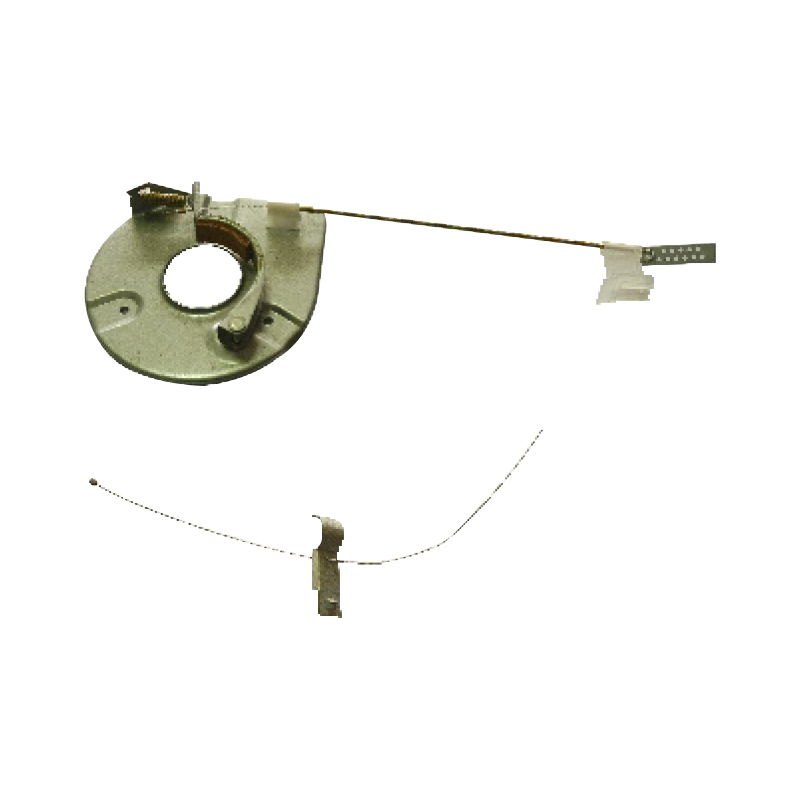 Washing Machine Brake Assembly RHPT-09A drum brake assembly for washing machine service, relevant when checking stopping time, holding force, and release behavior after wear or contamination.View Product →
Matching the brake assembly to the platform helps preserve the intended stopping time and holding force after service.
Coordinating Switch, Brake, and Motor Behavior
The most effective stop sequence begins when the lid switch changes state. The control cuts power to the spin motor, the brake applies, and the motor coasts with the tub. The control may then wait for a defined interval or a rotation signal before allowing a new cycle or lid release. If the motor or control restarts too soon, the brake may overheat or the tub may re-accelerate before access is safe.
Motor duty also affects the stop. Spin motors are selected for high-speed, low-duty operation, while wash motors handle reversing, higher starting torque, and longer run times. Comparing wash motor and spin motor duty differences helps engineers avoid using a drive that is poorly matched to the brake and interlock. Direct-drive and belt-drive systems also differ in inertia and coupling behavior.
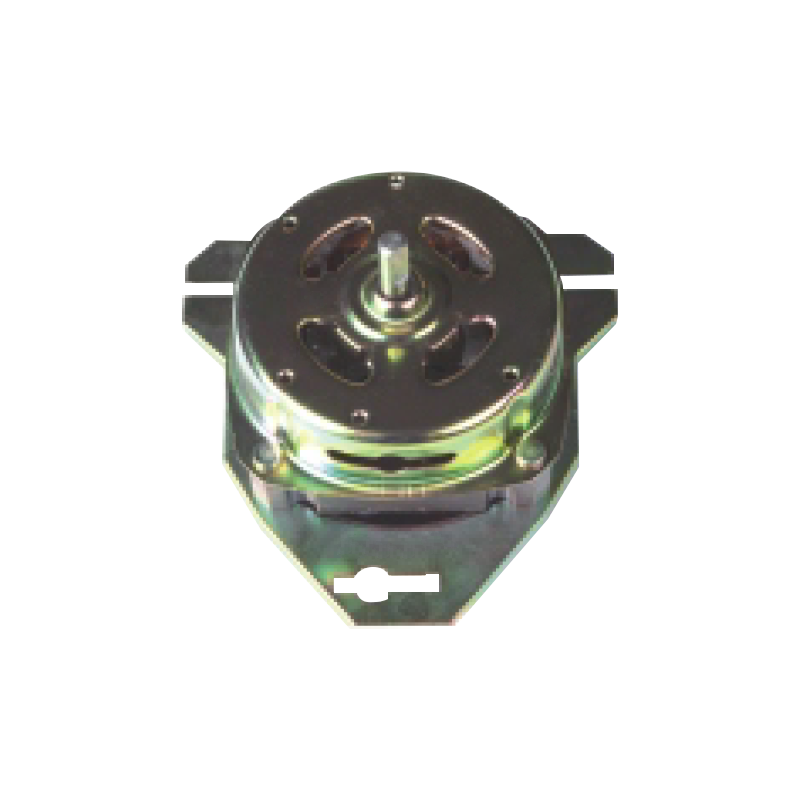
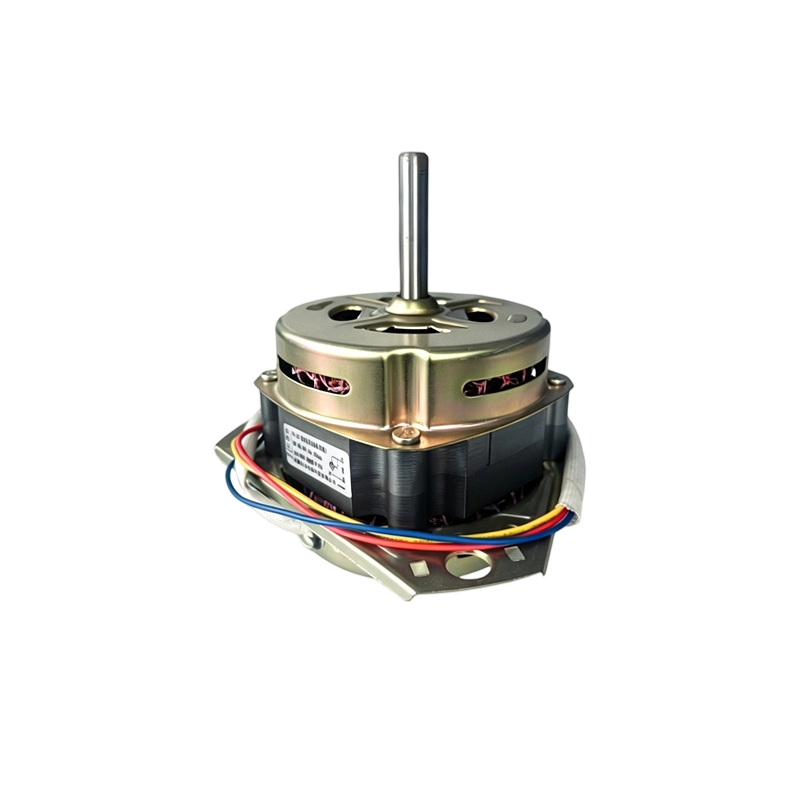
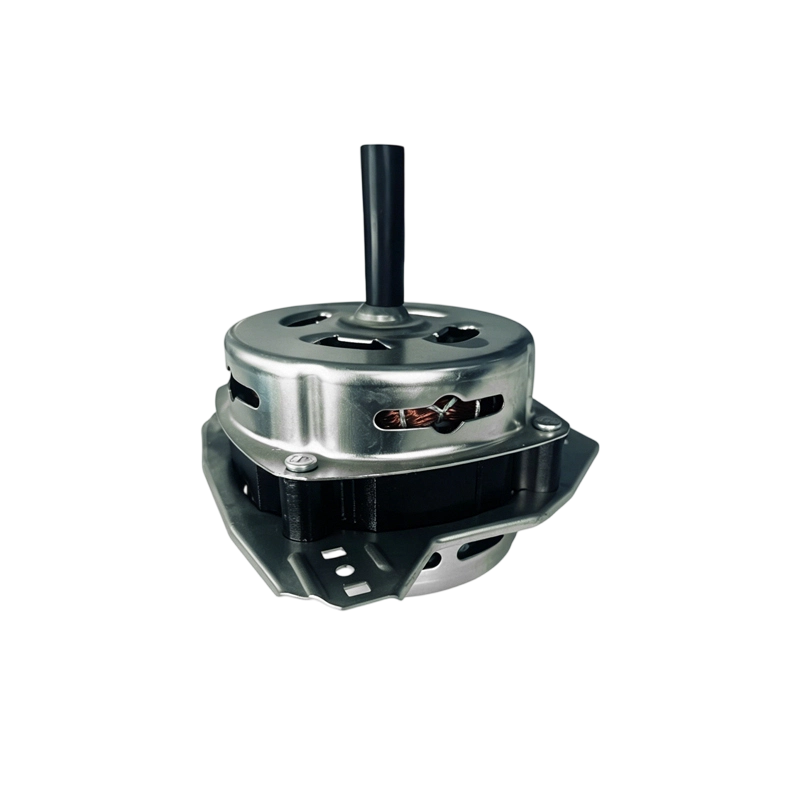
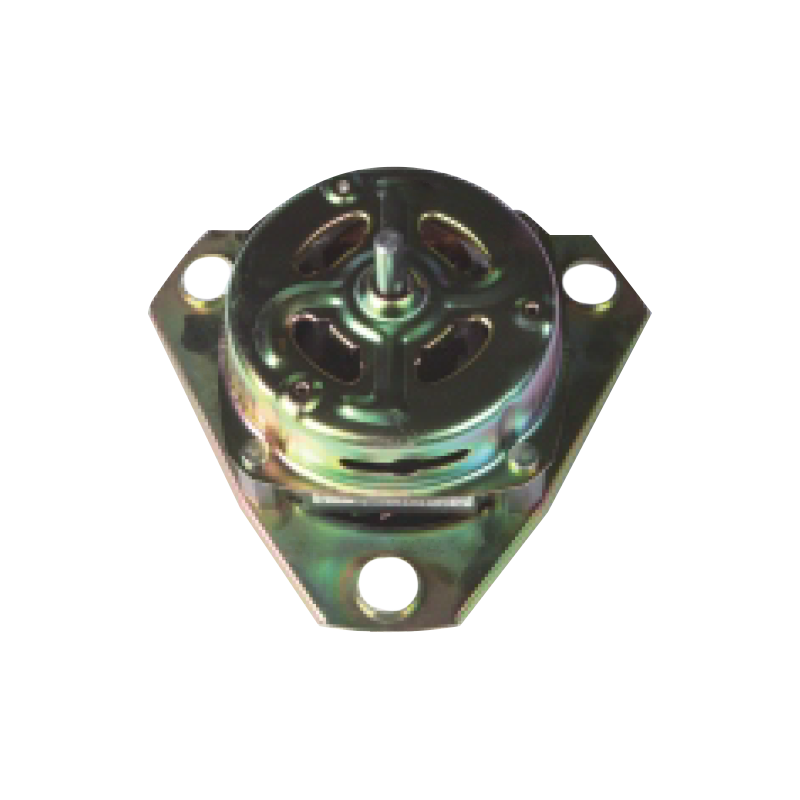 Waterproof Rotary Spin Motor JHS-8809 for Washing MachinesA sealed spin-extract motor for washing machines, suited to damp laundry environments where moisture resistance, stable bearings, and predictable high-speed operation matter.View Product →
In damp laundry environments, a moisture-resistant spin motor with stable bearings and winding insulation supports predictable coast down and reduces the risk of intermittent electrical behavior.
Design and Validation Checks for OEM Washer Programs
Safety performance should be proven with a stop-chain validation plan, not assumed from component datasheets. The table below summarizes practical checks.
| Check area | Verification focus | Risk if missed |
|---|---|---|
| Lid switch actuation | Contact state at closed, partial-open, and fully open positions | Late power cut or false spin permission |
| Brake engagement | Stopping time, holding force, lining wear, release clearance | Long coast down or drag-related overheating |
| Control logic | Restart inhibit, brake timing, fault response | Re-acceleration during access |
| Environmental durability | Humidity, detergent mist, vibration, terminal corrosion | Intermittent switch or brake release |
| Service replacement | Part fit, actuator travel, spring orientation, wiring | Bypassed safety function after repair |
Validation should include repeated lid-open cycles, brake wear simulation, damp heat, vibration, and electrical endurance. The pass condition is not just that the motor stops; it is that the tub reaches a safe state within the defined time and cannot restart while access is possible.
Maintenance and Field Diagnostics
Field symptoms can point to the stop chain. A tub that coasts much longer than usual may have a glazed or contaminated brake lining, a weak spring, or a release that does not return. A washer that spins with the lid open may have a failed switch, a stuck relay, or a wiring fault. Burning smells, repeated overload trips, and unusual brake noise require investigation before further use.
- Disconnect power and confirm the machine cannot restart before inspection.
- Check lid switch actuation, terminal condition, and harness continuity against the service diagram.
- Inspect the brake assembly for lining wear, oil contamination, spring condition, and free release.
- Verify that replacement parts match the platform and that no interlock has been bypassed.
Never use a bypassed lid switch as a permanent repair. A controlled service mode is acceptable only within the manufacturer's procedure and with the tub confirmed empty and stationary.
Sourcing the Stop Chain as a Complete System
Procurement teams often buy the lid switch, brake assembly, and spin motor separately. That works only when the interfaces are controlled: actuator travel, mounting points, terminal orientation, braking torque, and motor inertia must align. A low-cost switch with the wrong overtravel can defeat an otherwise sound brake, and a brake with the wrong release clearance can overheat a correctly rated motor.
For OEM and aftermarket programs, it helps to source from a supplier that understands both motor behavior and washing machine spares. Motor manufacturing and quality control should cover incoming materials, winding consistency, mechanical tolerances, and end-of-line verification. The stop chain is a safety function, so consistency across production lots matters as much as the first prototype.
Frequently Asked Questions
Q1: Does a lid switch stop the spin tub instantly?
No. It removes permission and drive power. The friction brake and natural drag then reduce rotation. The tub should stop within the platform's defined safe time.
Q2: Why does the tub still turn briefly after the lid opens?
A short coast down can be normal. A long coast, repeated overrun, or restart with the lid open indicates a switch, brake, control, or wiring problem that should be serviced.
Q3: Can a lid switch be bypassed for testing?
Only under a documented service procedure with the tub empty and guarded. A bypass must never remain in a machine used by consumers.
Q4: When should a friction brake assembly be replaced?
Replace it when inspection shows lining wear beyond specification, oil contamination, weak spring return, cracked parts, or stopping time outside the service limit.
Keeping Spin-Tub Safety Predictable
Safety lid switches and friction brake assemblies prevent spin-tub accidents by performing different jobs in one sequence. The switch detects access and interrupts the spin circuit; the brake absorbs stored energy and helps hold the tub; the motor and control determine how quickly and reliably the system reaches a safe state. When any link is mismatched, worn, or bypassed, the remaining parts cannot fully compensate.
For washer designers and service teams, the practical rule is simple: specify the stop chain as a system, validate it under realistic conditions, and replace safety parts with matched components. That approach protects users, reduces field failures, and keeps spin performance predictable.
No.6 Wuyashan Road, Langxi Economic Development Zone, Xuancheng City, Anhui, China
+86-563-7370081
